
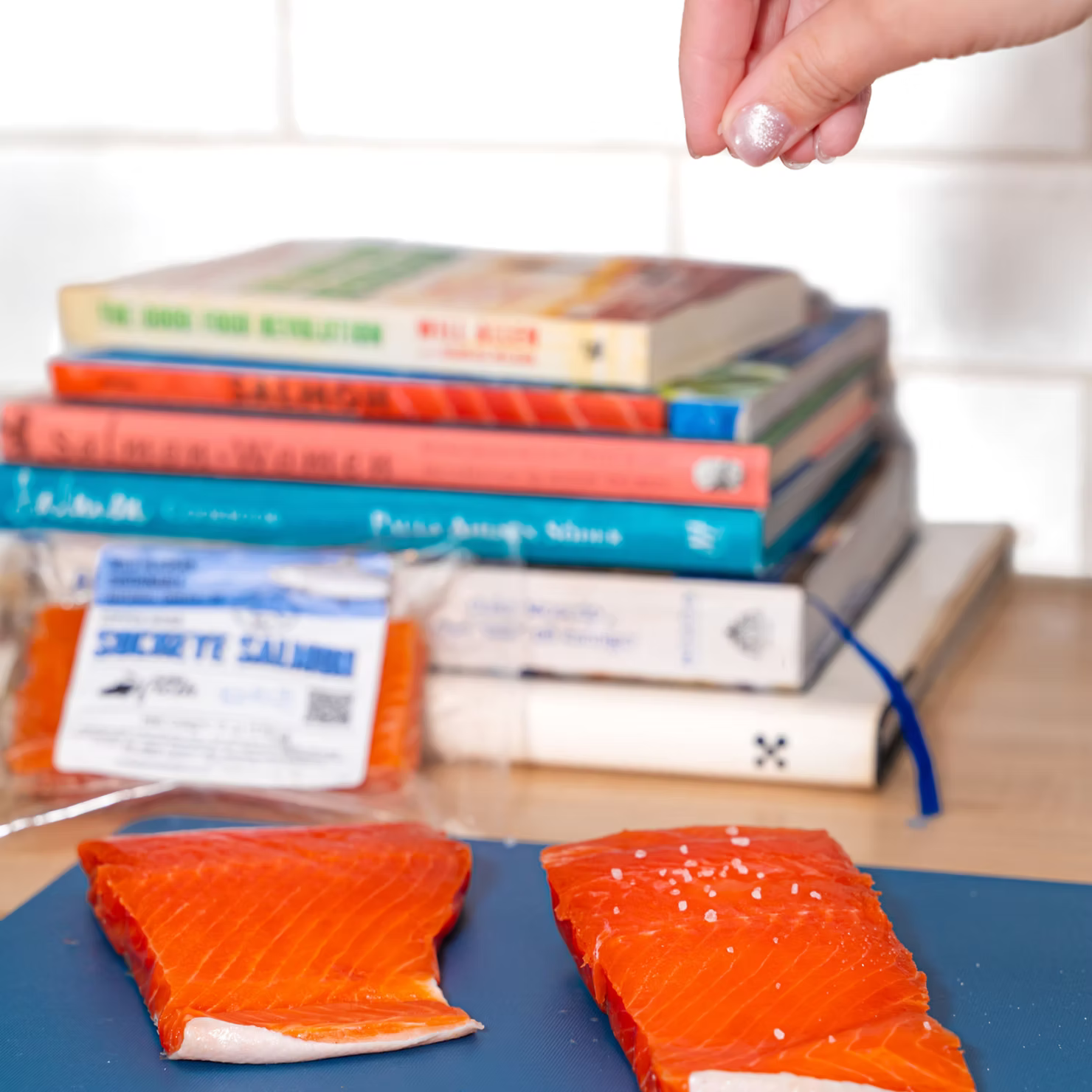

Copper River Sockeye Salmon
The Copper River is renowned for its magnificent wild salmon, including Copper River sockeye salmon (aka Copper River red salmon), Copper River king salmon, and Copper River coho salmon. These prized salmon are caught in the pristine waters of Alaska and are sought after for their exceptional quality and flavor. In this article we will explore the unique life cycle that contributes to their superior taste and nutritional value and provide information on where to buy these incredible fish.
Understanding the Copper River Salmon
The Copper River salmon is a wild-caught salmon native to the Pacific Ocean. These salmon are highly prized for their rich flavor and high omega-3 content. The 300 mile long Copper River in Alaska is the birthplace of these exceptional salmon. The cold water temperature in the river and its strong current provide ideal conditions for the evolution of the best salmon in the world.
The Birthplace of a Delicacy: Spawning Grounds
The life cycle of Copper River salmon begins in the freshwater streams and creeks of the upper Copper River watershed. Here, female salmon lay thousands of eggs in gravel beds and the male salmon release milt to fertilize them during a process known as spawning. The fertilized eggs remain in the gravel beds throughout the winter, protected from predators and harsh weather conditions. As winter turns to spring, the eggs hatch, and the young salmon, called alevin, emerge.
From Alevin to Fry: The Early Stages
As the alevin grow, they remain in the gravel beds, feeding off their yolk sacs. Once their yolk sacs deplete, the alevin emerge from the gravel beds as fry. This is a critical stage in the salmon's life cycle, as they must learn to fend for themselves and avoid predators. The fry feed on small insects and zooplankton in the river, growing and preparing for the next stage of their journey.
The Smolt Transformation: Adapting to Saltwater
As the fry grow, they undergo a transformation known as smoltification. This process prepares them for life in the ocean. During this stage, their bodies adapt to handle the change from freshwater to saltwater. The smolt salmon's color changes from a dark camouflage to a silvery hue, helping them blend in with the open ocean waters. This adaptation is crucial for their survival and successful migration to the ocean.
Ocean-Going Adults: Life in the Open Sea
Once the smolt salmon reach the ocean, they become ocean-going adults. They spend several years in the vast, open sea, feeding and growing (2-5 years depending on the specie of salmon). Their diet consists of krill, plankton, small fish and occasionally squid which contribute to their deep red color and high levels of omega-3 fatty acids. Copper River sockeye salmon's high oil content not only enhances its flavor but also helps the fish retain moisture when cooked.
The Homeward Journey: Returning to Spawn
After several years in the ocean, the adult salmon begin their homeward journey back to the Copper River to spawn. Even though they swam thousands of miles in the ocean, they find their way back to where they were born.
This migration is a testament to their strength and endurance. They swim in ice cold water, passing numerous glaciers, against the strong Copper River's current, overcoming numerous obstacles to reach their birthplace.
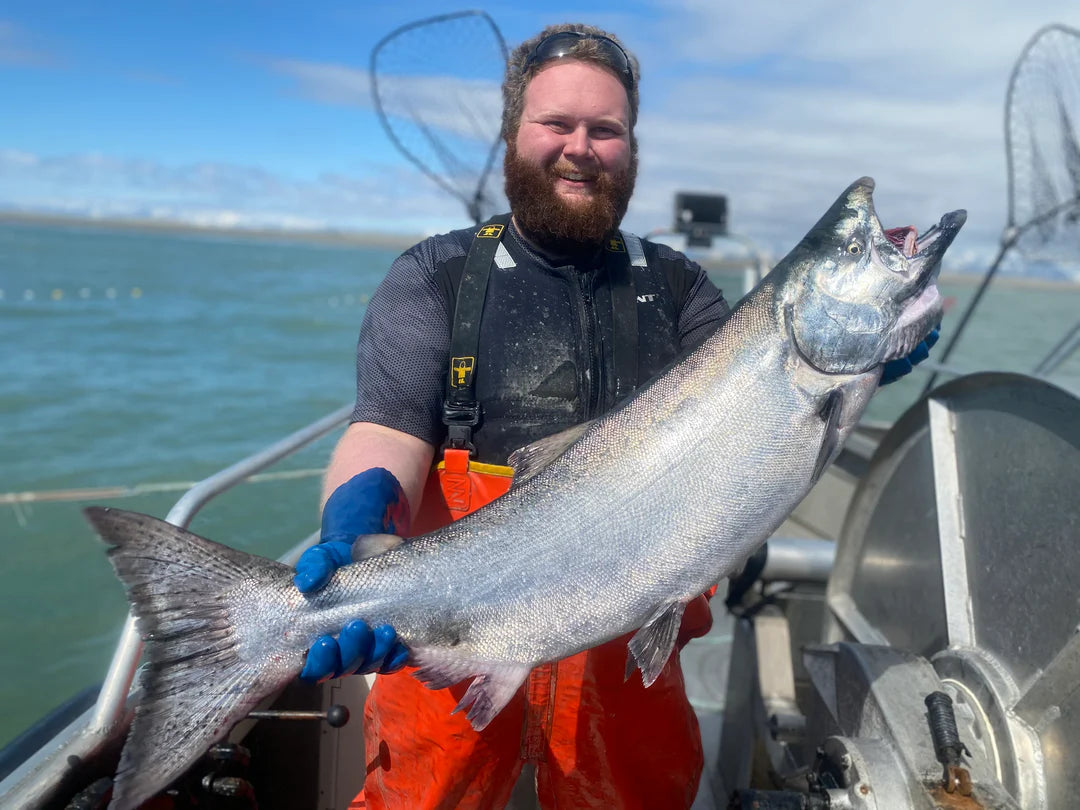
Since they don't feed once they enter the freshwater, wild salmon have to build up strong muscles and high fat content (including Omega-3s) to survive the journey. That's why the wild salmon Copper River fishing happens in the ocean, right before the salmon enter the freshwater.
The fish that make it all the way to their birthplace start spawning, then die shortly after and the cycle continues.
Sustainable Practices and Preserving Wild Salmon
The Copper River salmon fishery is committed to sustainable practices and the preservation of wild salmon populations. The fishery is carefully managed by the Alaska Department of Fish & Games to prevent overfishing and maintain a healthy stock of salmon for future generations. It is essential to support sustainable fishing practices and choose wild-caught salmon to protect the environment and ensure the availability of this remarkable fish.
Fishing (along with other natural predators) also contributes to the positive regulation of salmon populations. There are only limited resources in the creeks and streams where the salmon spawn. If too many fish make it there, the area gets overpopulated and the resources run out before the fries get strong enough to make it back to the ocean.
Where to Find and How to Choose Copper River Salmon
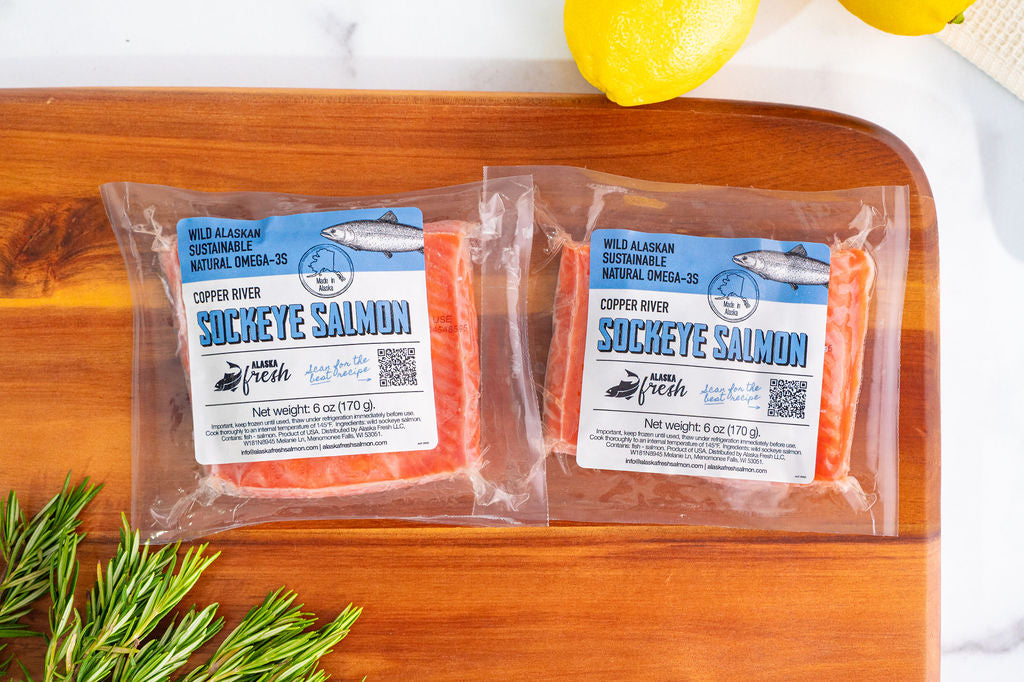
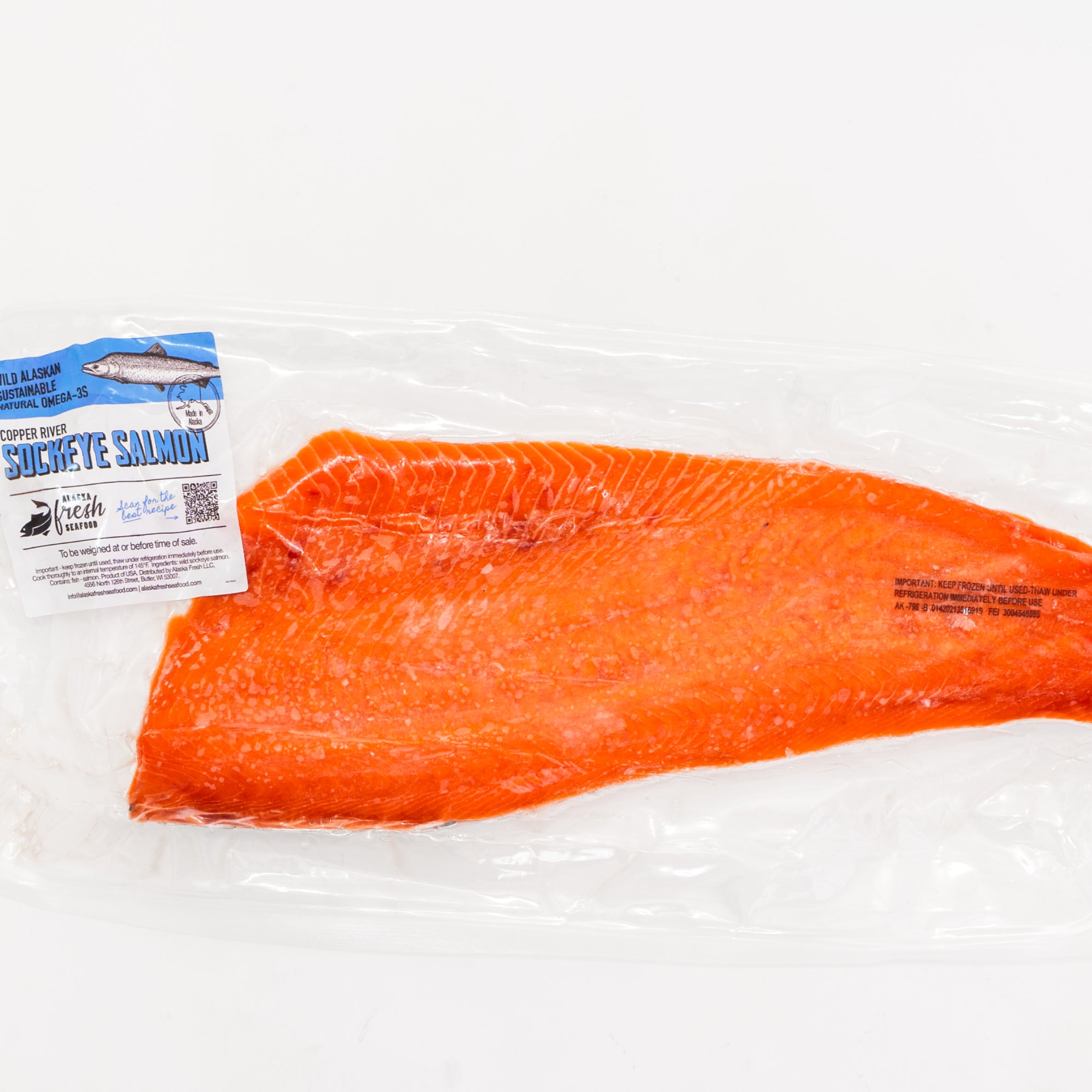
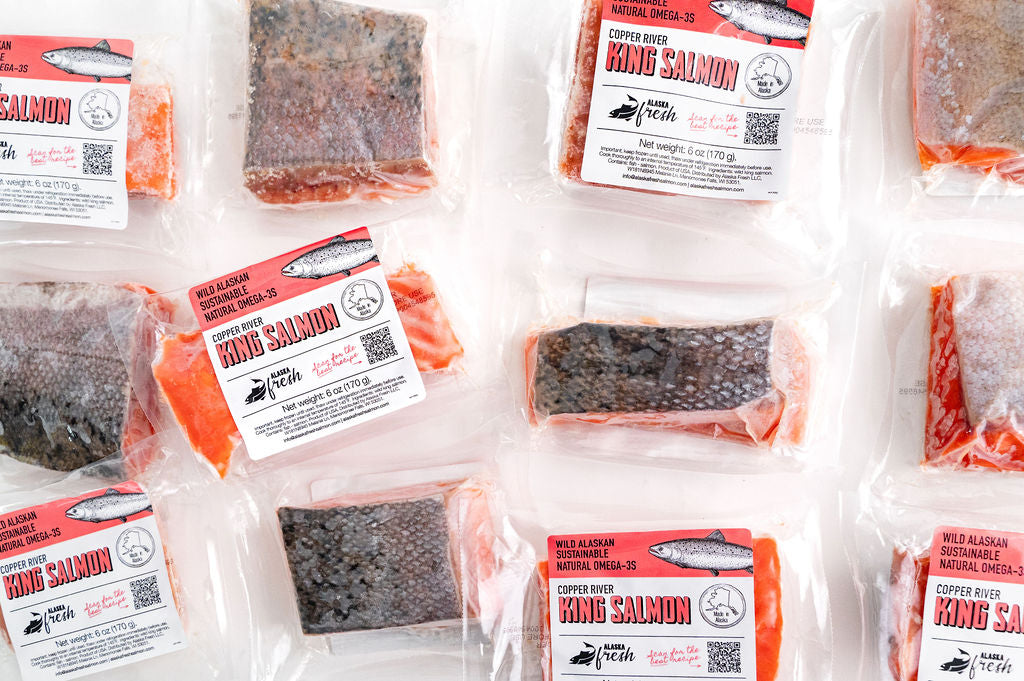
Copper River salmon, including sockeye, king, and red salmon, can be found online or at specialty seafood markets. When buying salmon, look for labels indicating "wild-caught" and "sustainably harvested." These labels assure that the salmon were caught in their natural habitat, ensuring the highest quality and taste.
The Best Salmon for Your Table
The life cycle of Copper River salmon is a testament to the remarkable journey these fish undertake. Their natural habitat and sustainable fishing practices contribute to their superior taste and nutritional value. When searching for the best salmon, look no further than Copper River salmon, known worldwide for its exceptional quality and flavor.
-
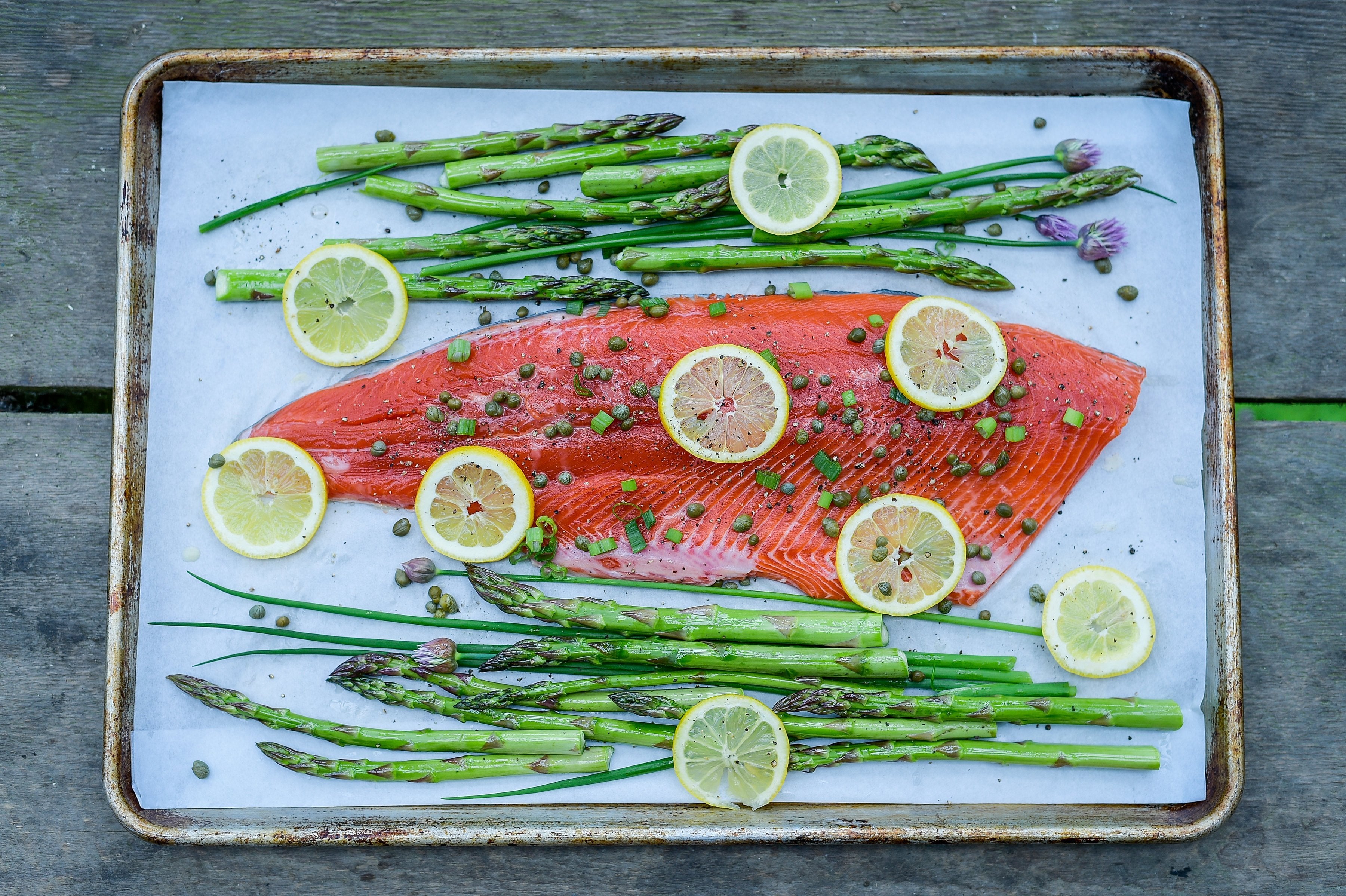
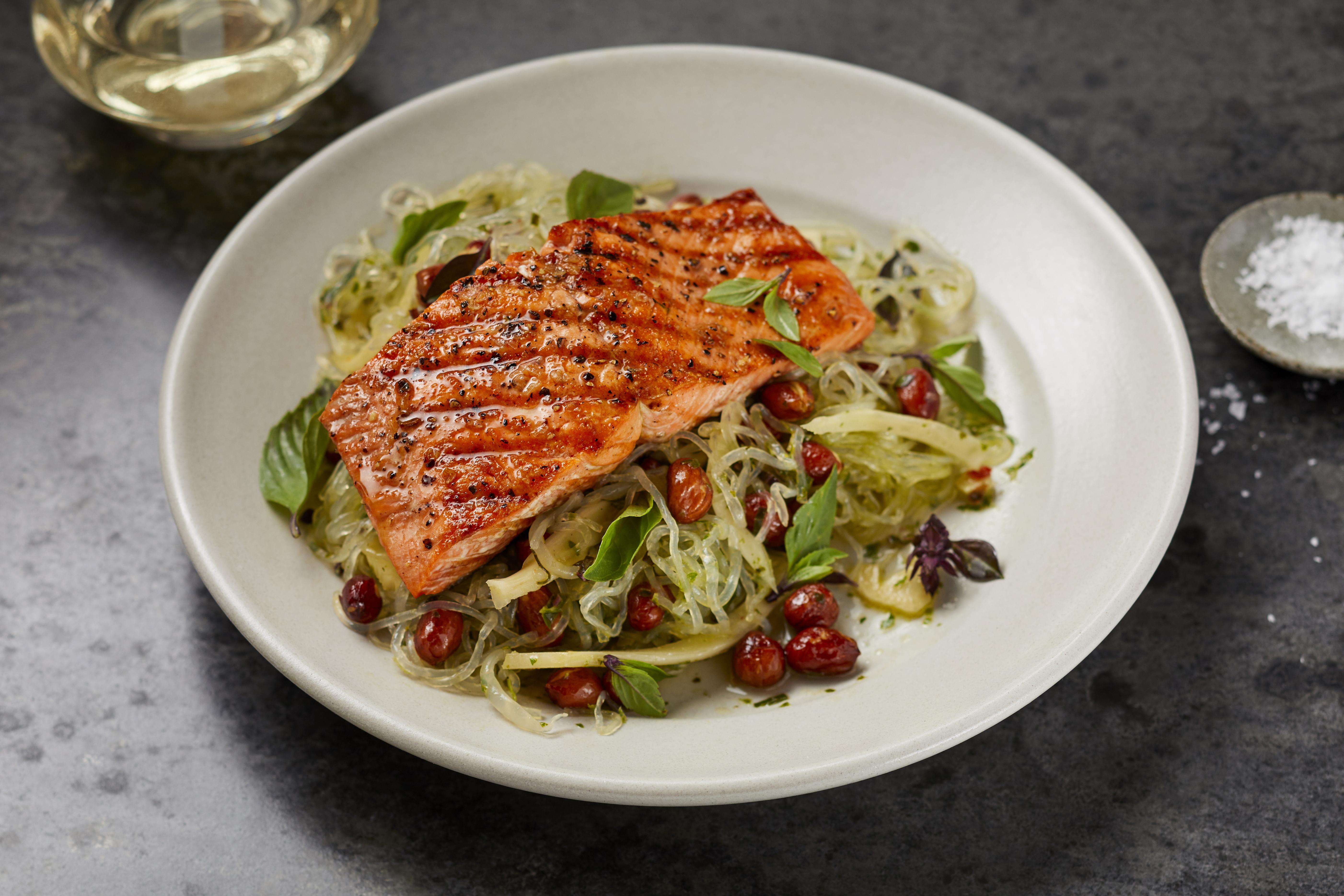
Copper River sockeye, king and coho salmon stand out as one of the best-tasting salmon varieties available. Their rich flavor, high omega-3 content, and quality make it a favorite among seafood enthusiasts. Whether you choose to grill, bake, or pan-sear your salmon, you can be assured of a delicious and nutritious meal.
*Visit our store to learn more about the variety of fish Alaska has to offer, such as Copper River King Salmon, Wild Alaskan Halibut, Wild Alaskan Black Cod (Sablefish), and more.
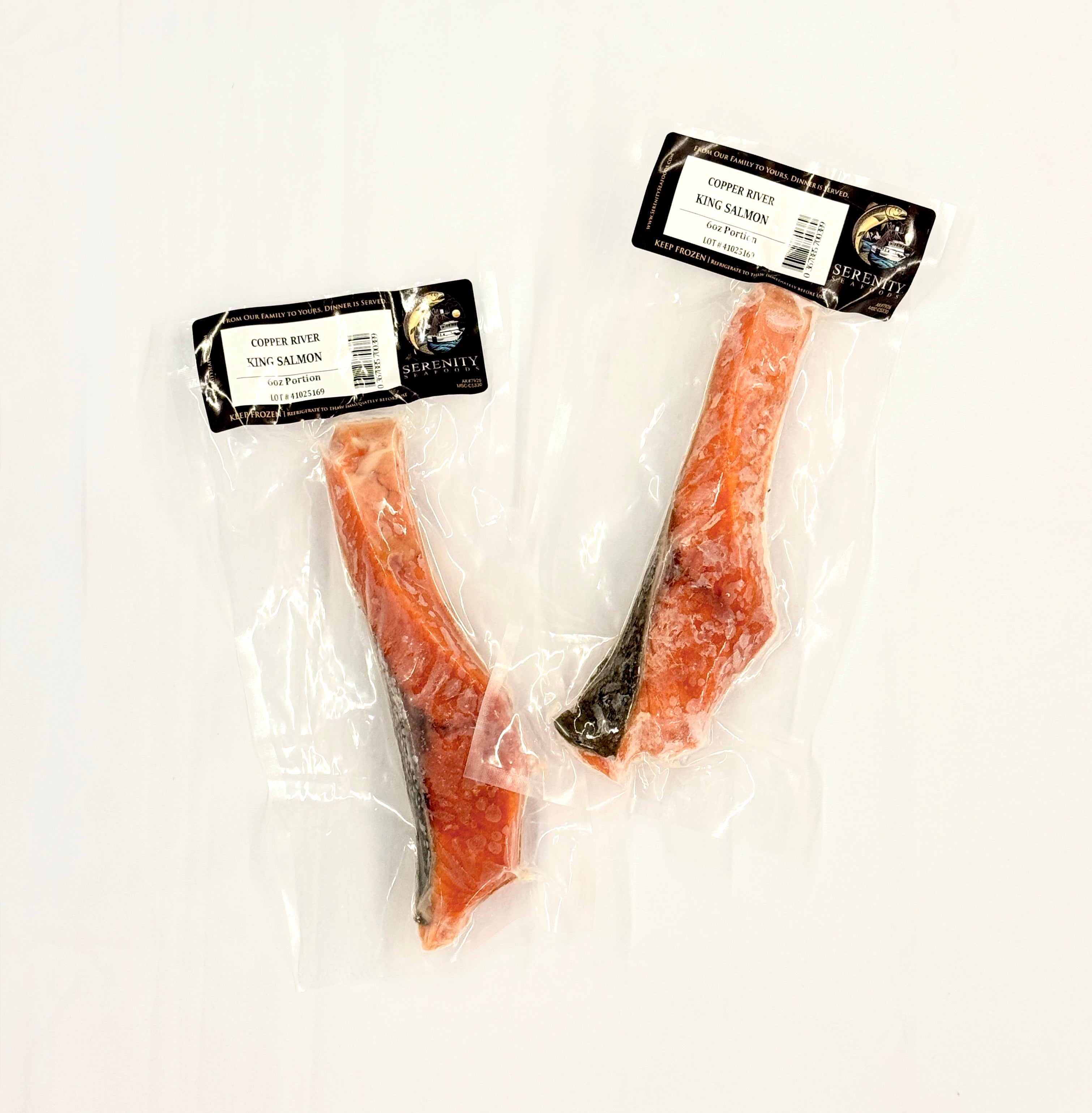
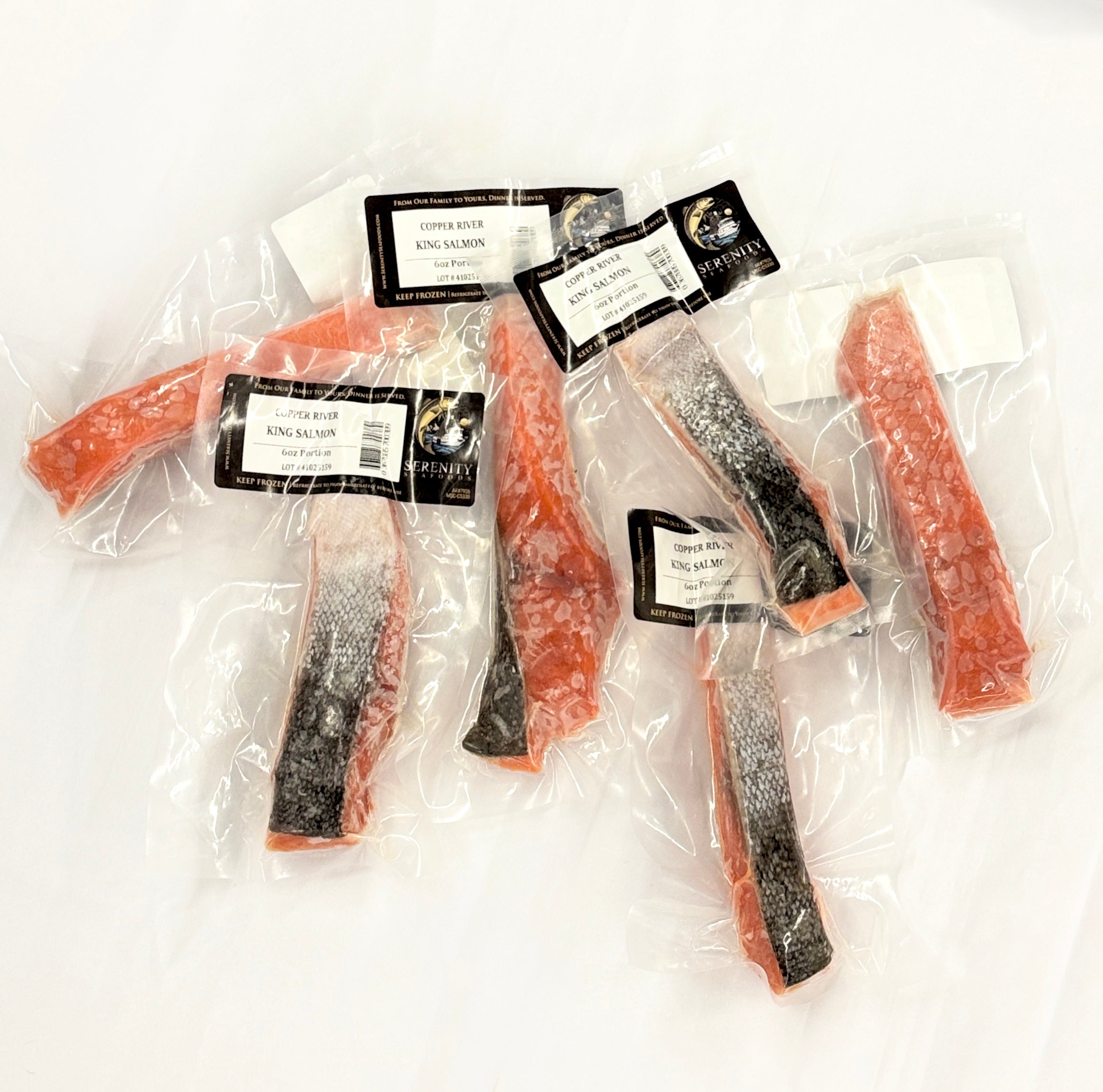
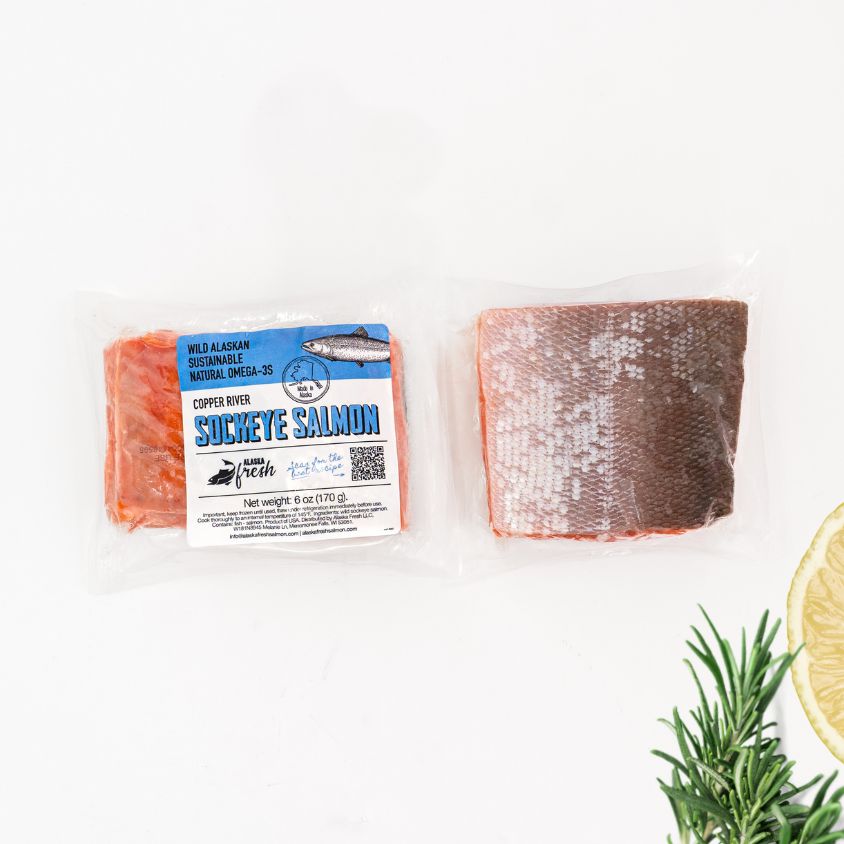
Which fish is better, fresh or frozen? Let’s look at wild Alaskan salmon.
Why is Copper River salmon a big deal?