
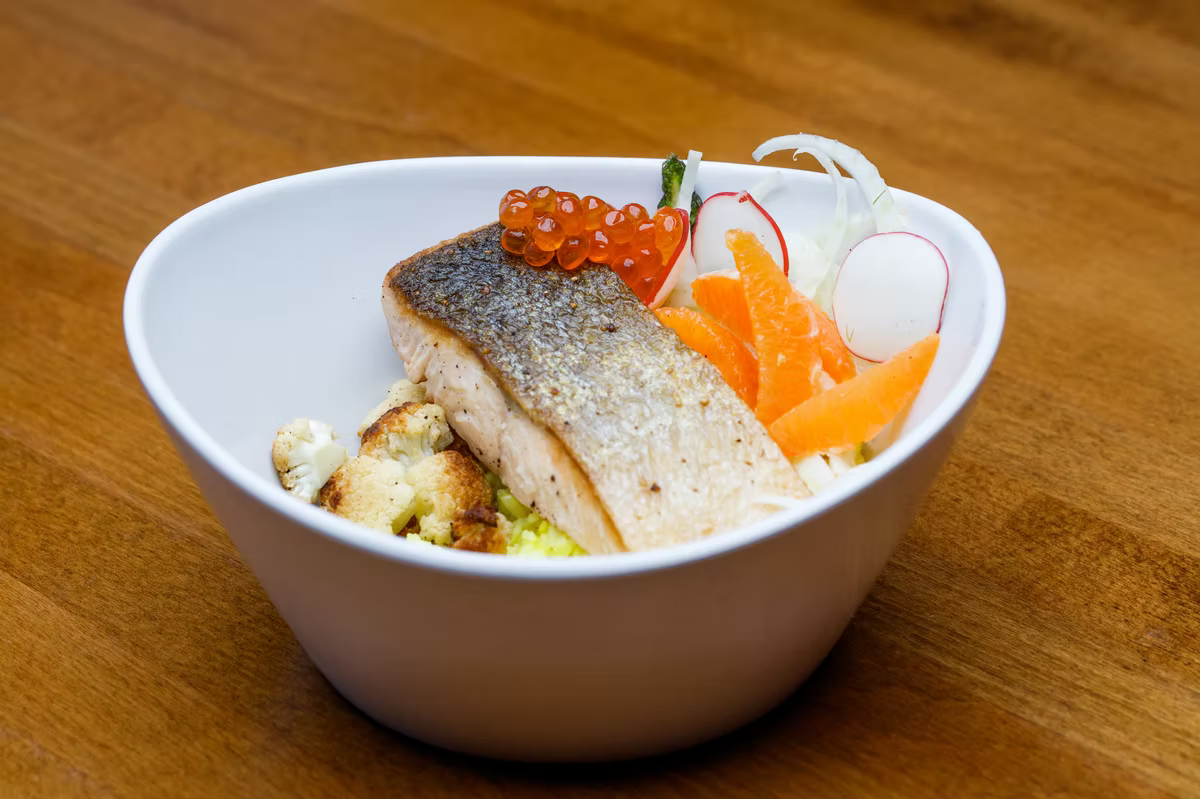
When it comes to premium wild-caught Alaskan salmon, there are 5 species and each of them offers something unique.
At Alaska Fresh Seafood, we proudly three of these species: Copper River King, Copper River Sockeye and Wild Alaskan Keta salmon.
While all three varieties are sustainably sourced and nutrient-dense, they differ in flavor, texture, healthy fat content, protein levels, and ideal cooking methods. Here’s how they compare.
Salmon from Alaska are celebrated around the world for their flavor, purity, and sustainability. In particular, salmon from the legendary Copper River are among the most prized in the world. These fish must swim nearly 300 miles through cold, fast-moving waters to reach their spawning grounds. That demanding journey forces them to build up powerful reserves of healthy fat, resulting in rich flavor, exceptional texture, and elevated omega-3 levels.
 Wild Alaskan Keta is one of the hidden gems of the Alaskan seafood world.
Copper River King Salmon
Often considered the most luxurious of all salmon varieties, Copper River King Salmon is known for the exceptionally high healthy fat content, buttery texture, and deep, rich flavor.
Because Copper River Kings endure a long and challenging upstream migration, they develop significant reserves of healthy fat that create unmatched tenderness and succulence. The flesh is beautifully marbled, silky, and moist — often described as the “Wagyu of salmon.”
A 4-ounce serving of Copper River King contains approximately:
-
260–270 calories
-
15–18 grams of healthy fat
-
23–24 grams of high-quality protein
That higher level of healthy fat translates directly into elevated omega-3 fatty acids (EPA and DHA), which support heart and brain health.
Because of its natural richness, Copper River King shines with simple preparation. A light seasoning of sea salt and cracked pepper followed by grilling, roasting, or cedar-plank cooking allows its flavor to truly stand on its own.
Flavor: Deep, buttery, and indulgent
Texture: Tender, silky, and richly marbled
Best cooking methods: Grilling, roasting, cedar-plank cooking
Copper River Sockeye Salmon
Known for its vibrant red color and bold, classic salmon flavor, Copper River Sockeye Salmon offers a rich taste with a firm, meaty texture.
Like King salmon, Sockeye from the Copper River builds increased healthy fat content during its long migration, resulting in pronounced flavor and excellent moisture retention during cooking.
A 4-ounce serving of Copper River Sockeye contains approximately:
-
240–250 calories
-
12–13 grams of healthy fat
-
25–26 grams of high-quality protein
Sockeye offers slightly more protein per serving than King while maintaining a strong omega-3 profile and a firmer bite.
Flavor: Bold and rich
Texture: Firm and meaty
Best cooking methods: Pan-searing, baking, roasting, broiling
Wild Alaskan Keta Salmon
For those who prefer a lighter, leaner option, Wild Alaskan Keta Salmon delivers a mild, clean flavor and firm, flaky texture.
Keta contains less healthy fat than King or Sockeye, making it the leanest of the three varieties while still providing excellent nutrition.
A 4-ounce serving of Wild Alaskan Keta contains approximately:
-
160–180 calories
-
5–7 grams of healthy fat
-
23–24 grams of high-quality protein
Its subtle flavor makes it especially versatile in the kitchen. Keta performs beautifully when grilled or smoked and pairs well with marinades and fresh herbs. Because it is leaner, careful cooking helps retain moisture and tenderness.
Flavor: Mild and delicate
Texture: Firm and flaky
Best cooking methods: Grilling, smoking, marinating
 Copper River Alaskan Sockeye salmon fillet.
Nutritional Comparison
All three salmon varieties are excellent sources of high-quality protein, omega-3 fatty acids (EPA and DHA), vitamin D, and essential nutrients that support heart health, brain function, and overall wellness.
Here’s a quick comparison per 4-ounce serving:
-
Copper River King Salmon: ~260–270 calories | 15–18g healthy fat | 23–24g protein
-
Copper River Sockeye Salmon: ~240–250 calories | 12–13g healthy fat | 25–26g protein
-
Wild Alaskan Keta Salmon: ~160–180 calories | 5–7g healthy fat | 23–24g protein
Cooking Methods for Each Salmon Variety
Each salmon variety benefits from slightly different cooking techniques based on its texture and healthy fat content.
Copper River King Salmon is rich and buttery, making it ideal for grilling, roasting, or cedar-plank cooking. Its higher healthy fat content helps it stay moist even at higher temperatures, allowing for a beautifully caramelized exterior while remaining tender inside. Simple seasoning often works best to let its natural flavor shine.
Copper River Sockeye Salmon has a firmer texture and bold flavor that holds up well to pan-searing, broiling, and baking. Cooking at medium to high heat creates a crisp outer layer while preserving its moist, vibrant center.
Wild Alaskan Keta Salmon is leaner and cooks more quickly. It performs especially well when grilled or smoked and pairs nicely with marinades, citrus, or fresh herbs to enhance moisture and flavor. Because it contains less healthy fat, careful timing helps prevent overcooking.
Looking for inspiration? Visit our Recipes page for simple, delicious ways to prepare each variety of wild Alaskan salmon.
Sustainability & Quality
All three varieties are wild-caught in Alaska under strict sustainability regulations designed to protect fish populations and preserve fisheries for future generations. Alaska’s constitution mandates sustainable fisheries management, ensuring healthy salmon runs year after year.
From the powerful waters of the Copper River to Alaska’s pristine coastal regions, each salmon is responsibly harvested and carefully handled from ocean to table.
Choosing the Right Salmon
Each of these wild Alaskan salmon varieties offers something special:
-
Choose Copper River King if you want the richest, most indulgent salmon experience available.
-
Choose Copper River Sockeye if you prefer a bold, classic salmon flavor with vibrant color and firm texture.
-
Choose Wild Alaskan Keta if you enjoy a lighter, leaner salmon with a mild taste and versatile cooking options.
No matter which you select, you’re enjoying premium wild Alaskan salmon — sustainably harvested, nutrient-rich, and celebrated around the world for its exceptional quality.
*Visit our store to learn more about the variety of fish Alaska has to offer, such as Copper River King Salmon, Wild Alaskan Halibut, Wild Alaskan Black Cod (Sablefish), and more.
Our 7th Anniversary!
Wild Alaskan salmon season is here with Copper River salmon in the spotlight