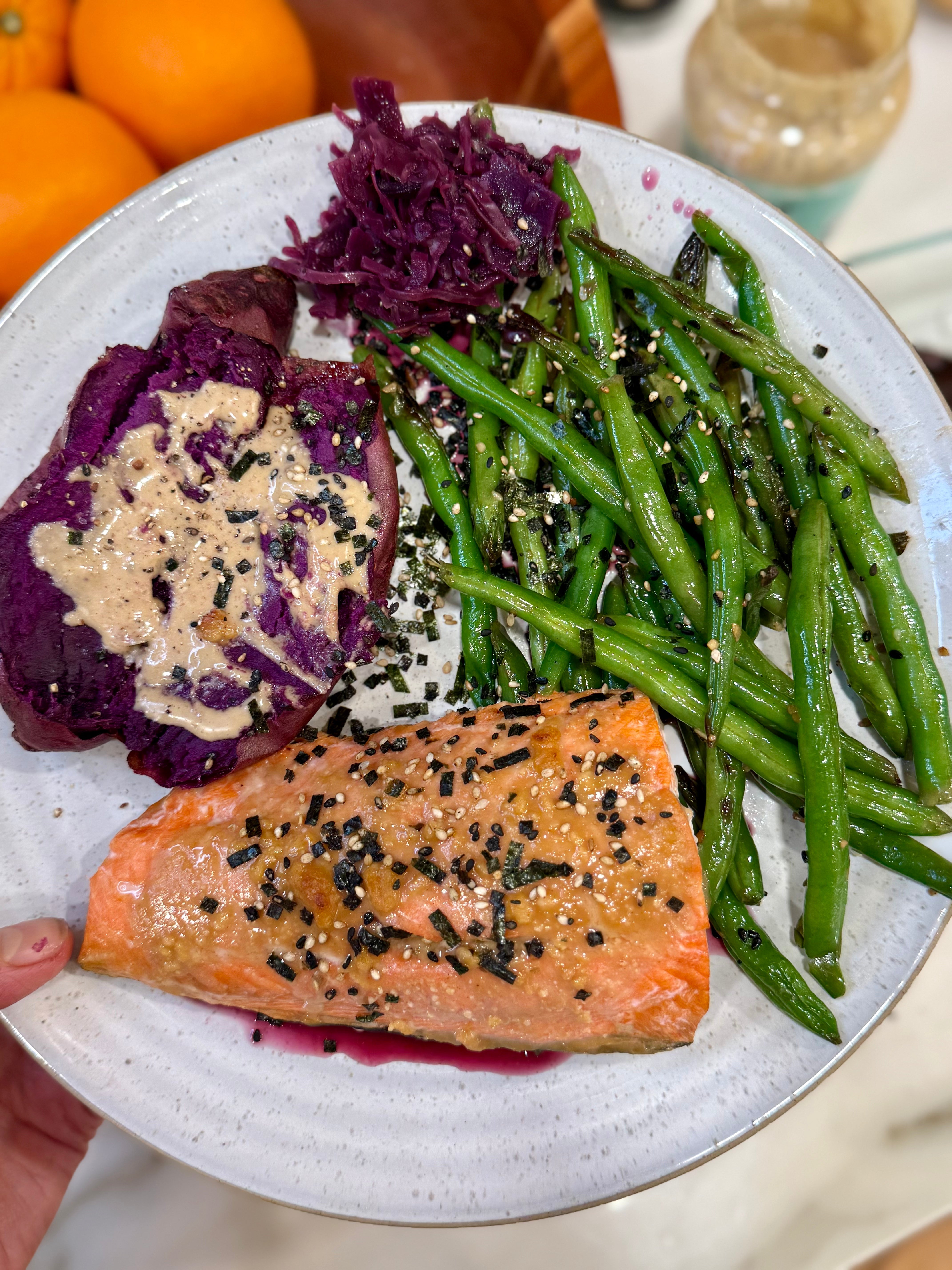
- by Sarah Axtell, ND
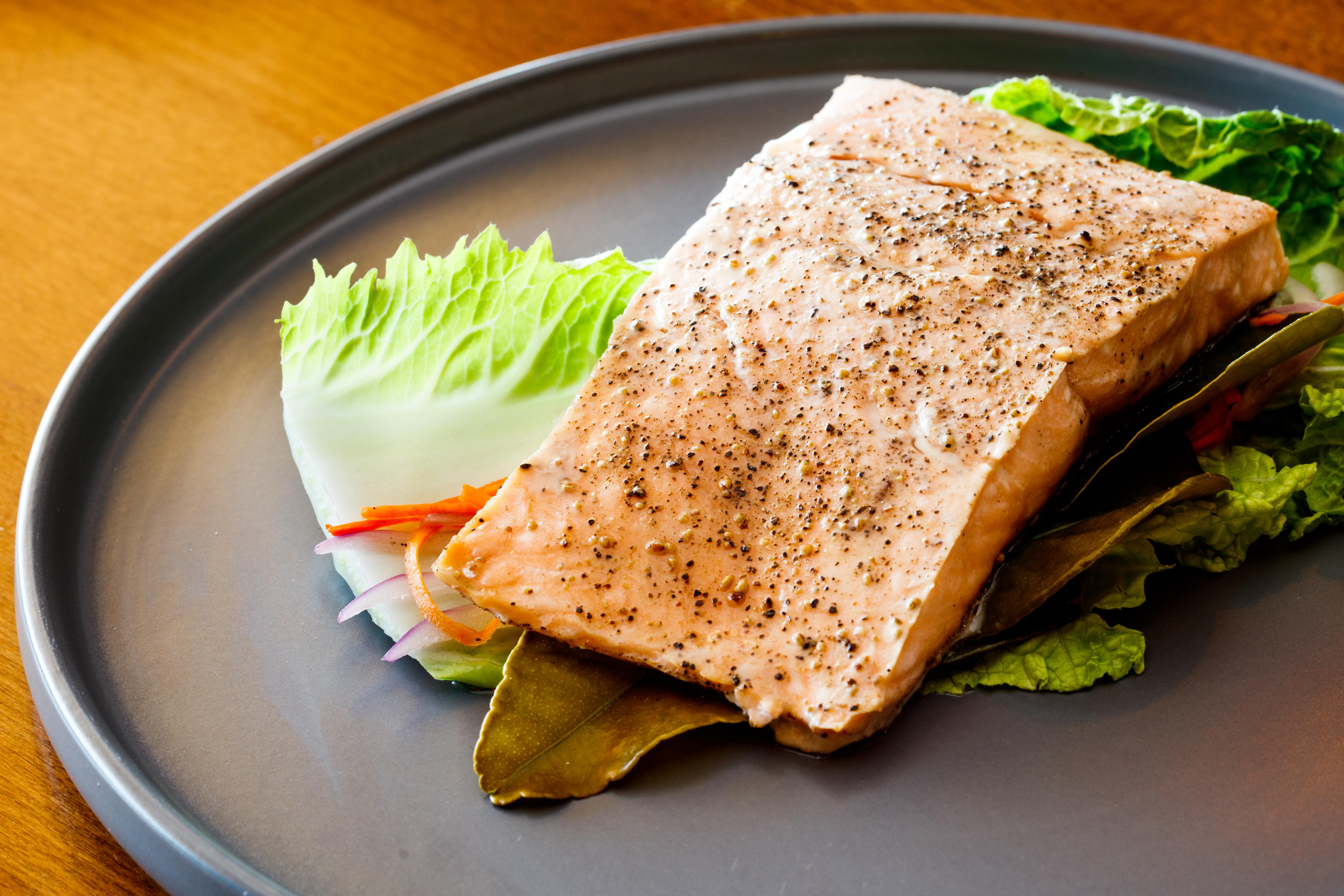
Miso Salmon with Baked Purple Sweet Potatoes
- by Sarah Axtell, ND
Sarah Axtell, ND of Lakeside Natural Medicine
As a naturopathic doctor, one of my top recommendations to patients is to eat fatty fish, like salmon, at least once a week. The omega-3 fats in salmon have been shown to help slow cognitive decline and reduce the risk of heart attack.
I find it helps to keep the day I eat salmon consistent to ensure I get it in once weekly. Meal planning is key! In our house, we have “Salmon Mondays." This miso glaze is an easy, delicious way to enjoy salmon. Cooked in the broiler, it only takes 6 minutes!
And for a side dish, you have to try the Baked Purple Sweet Potatoes. Drizzled with calcium-rich, creamy tahini, you won't miss butter. I promise. Consistently put this on the menu for Mondays, and you'll be off to a strong start - fueling your brain with omega-3s from the salmon and antioxidants from the sweet potatoes.
Serves: 2-4 people
Ingredients:
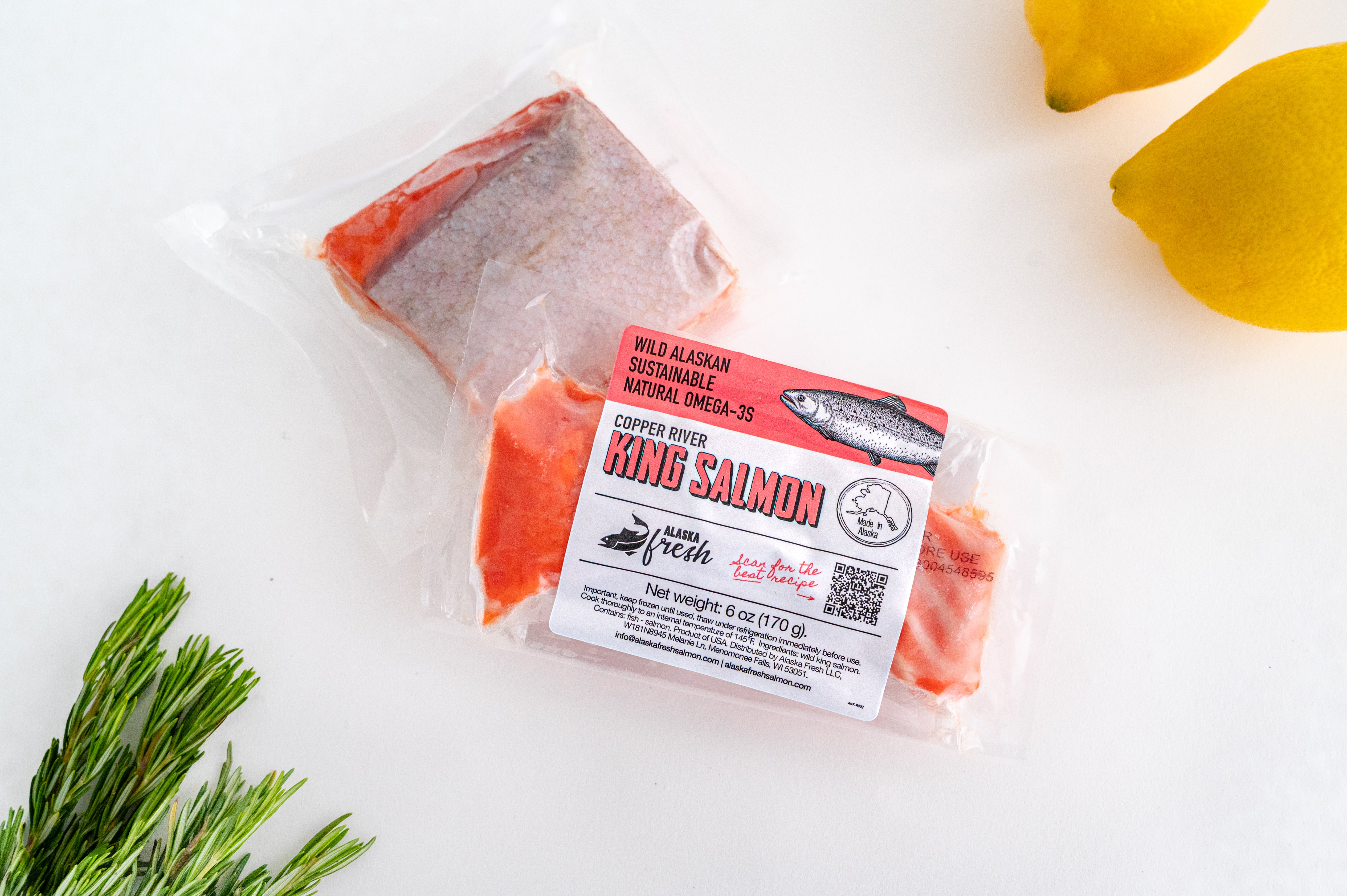
*If using frozen salmon, thaw it by letting it sit in the fridge overnight.
**Miso is in the refrigerated section, often near the tofu.


Instructions:
I find purple sweet potatoes at Outpost, Whole Foods, and Metro Market. If you can’t find them, regular potatoes or sweet potatoes will do. Trust me on the Tahini Drizzle!


Yes — salmon is considered one of the healthiest protein sources you can eat. It’s rich in omega-3 fatty acids, high-quality protein, and important nutrients like B vitamins and selenium. These support heart, brain, and metabolic health. Copper River salmon has the highest levels of omega-3 fatty acids out of all wild salmon.
Most health organizations recommend eating fish 2–3 times per week, and salmon is often suggested because of its omega-3 content. Many people eat it more frequently as part of Mediterranean or anti-inflammatory eating patterns.
We love Salmon Mondays as a foolproof way to get it into your diet at least once a week!
Absolutely! Frozen salmon is flash frozen at peak freshness which preserves taste, color, nutrients, texture. For any meat, the spoiling process starts once it is harvested. So unless you live on the coast and can get fresh fish straight out of the water, we recommend eating flash frozen salmon.
Here is an article where we break this down into even further detail.
If you're making a poke, then yes. Otherwise, don't remove the skin before cooking, even if you don't like it.
There is an important layer of fat and nutrients between the skin and meat which you lose when removing the skin. If you're eating high quality, wild salmon, the meat will easily flake off of the skin with a fork after it's cooked.
Give the skins to someone else or a four legged friend - lots of good nutrients there!
Fridge - up to 3 days or until it starts smelling "bad" fishy. There is a difference between smelling like the ocean and smelling rancid. Toss when it smells rancid. Fish smells like fish.
Freezer - up to 2 years if it is vacuum sealed properly.
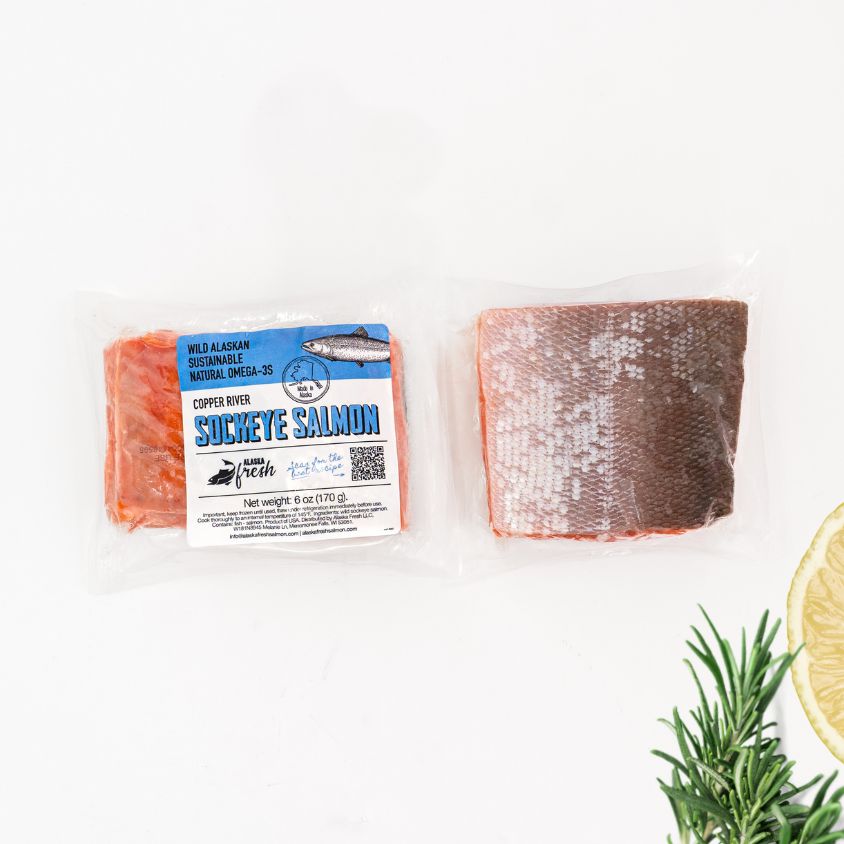
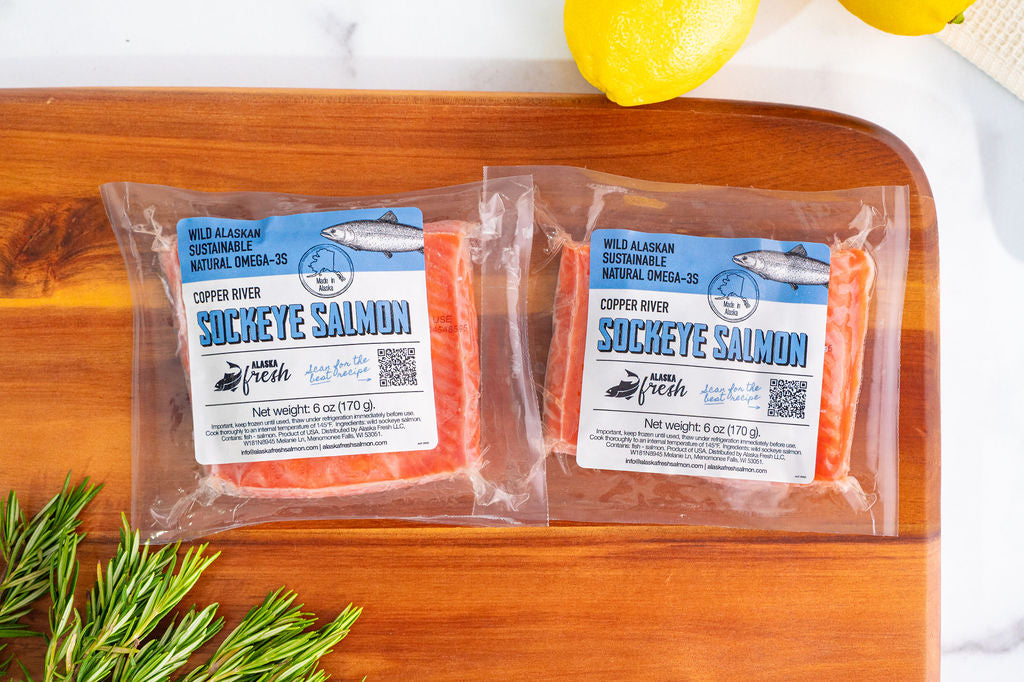
Copper River Sockeye Salmon Portions
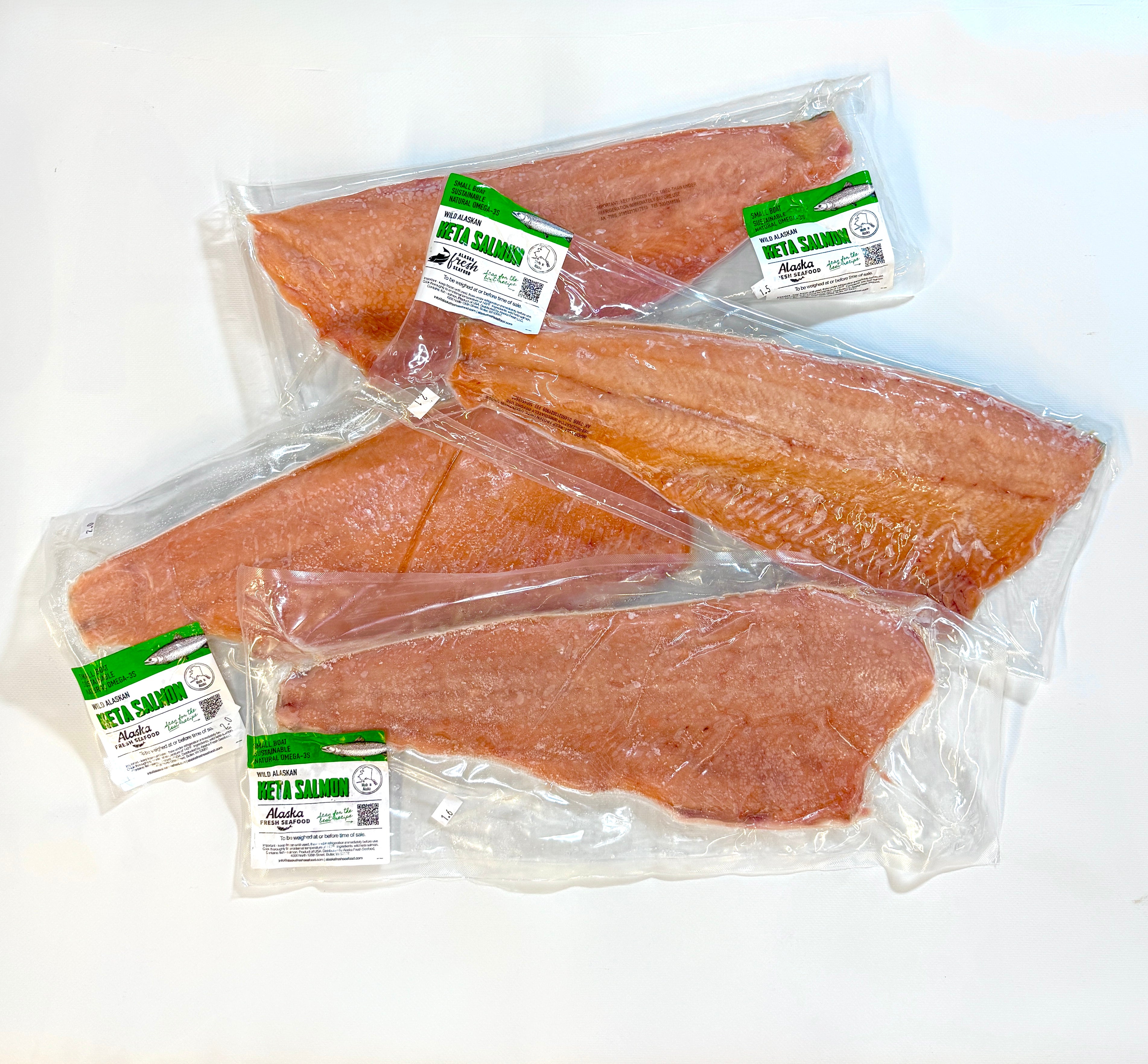

Full Fillet - Wild Alaskan Keta Salmon
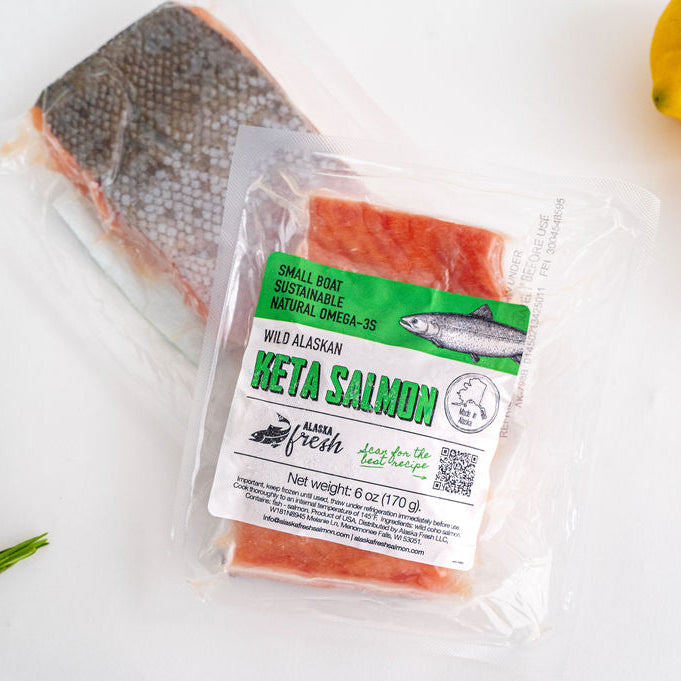
Wild Alaskan Keta Salmon Portions