- by Carly Martinez
How to Grill Wild Alaskan Seafood: Tips for Salmon, Halibut, and Cod
- by Carly Martinez
Courtesy of Alaska Fresh Seafood
Wild Alaskan salmon, halibut, and Pacific cod all grill beautifully, but each one cooks a little differently. The key is knowing how much heat to use, when to flip, and when to pull the fish from the grill.
Whether you are cooking on a Traeger, a Big Green Egg, a Blackstone, or a traditional grill, these tips will help you get the most out of your seafood.
Preheat your grill. A properly heated cooking surface helps prevent sticking and gives the fish a better sear.
Oil the fish, not just the grill. A light coating of oil helps protect delicate seafood and promotes browning.
Do not constantly flip it. Most fish only needs to be flipped once.
Pull it before it looks completely finished. Seafood continues cooking slightly after it comes off the heat.

If your salmon has skin, grill it skin side down first.
The skin creates a natural barrier between the fish and the heat, helping protect the delicate flesh. It can also become beautifully crisp when cooked over direct heat.
Brush the salmon lightly with oil and season with salt and pepper. You can also add lemon, garlic, dill, maple, honey, miso, Dijon mustard, or your favorite seafood seasoning.
Grilling temperature: For a traditional gas or charcoal grill, aim for approximately 375°F to 425°F.
Place the salmon skin side down and allow it to cook mostly undisturbed. Depending on thickness, most portions will take approximately 8 to 12 minutes total. You can flip the salmon briefly toward the end if you want additional color on the flesh side, but it is not always necessary. Salmon is ready when the flesh flakes easily and the center is still moist.
Salmon on a Traeger
A Traeger is excellent for salmon because the indirect heat and wood smoke complement its natural richness.
Try cooking salmon around 375°F for a balance of smoke and roasting. Alder, apple, cherry, and maple woods all pair particularly well with salmon.
For a deeper smoked flavor, you can start the salmon at a lower temperature before increasing the heat to finish cooking.
Salmon on a Big Green Egg
The Big Green Egg gives salmon a subtle charcoal flavor while maintaining steady heat.
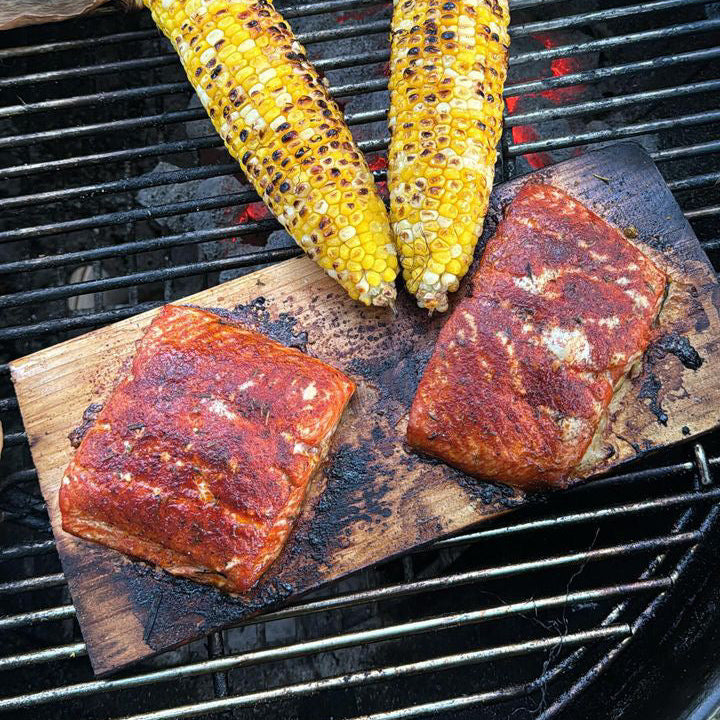
Set it up for indirect cooking around 375°F to 400°F. Salmon can be cooked directly on the grate, on a cedar plank, or in cast iron.
A cedar plank is especially useful when entertaining because it adds both flavor and presentation.
Salmon on a Blackstone
The Blackstone gives salmon a beautiful seared exterior.
Preheat the griddle to medium heat, add a small amount of oil, and place the salmon skin side down.
Allow the skin to become crisp before flipping. Because the Blackstone transfers heat directly into the fish, keep a close eye on the cooking time.
A little compound butter added during the final minute can take things in a very good direction.
* Any type of grill that you have works perfectly! *
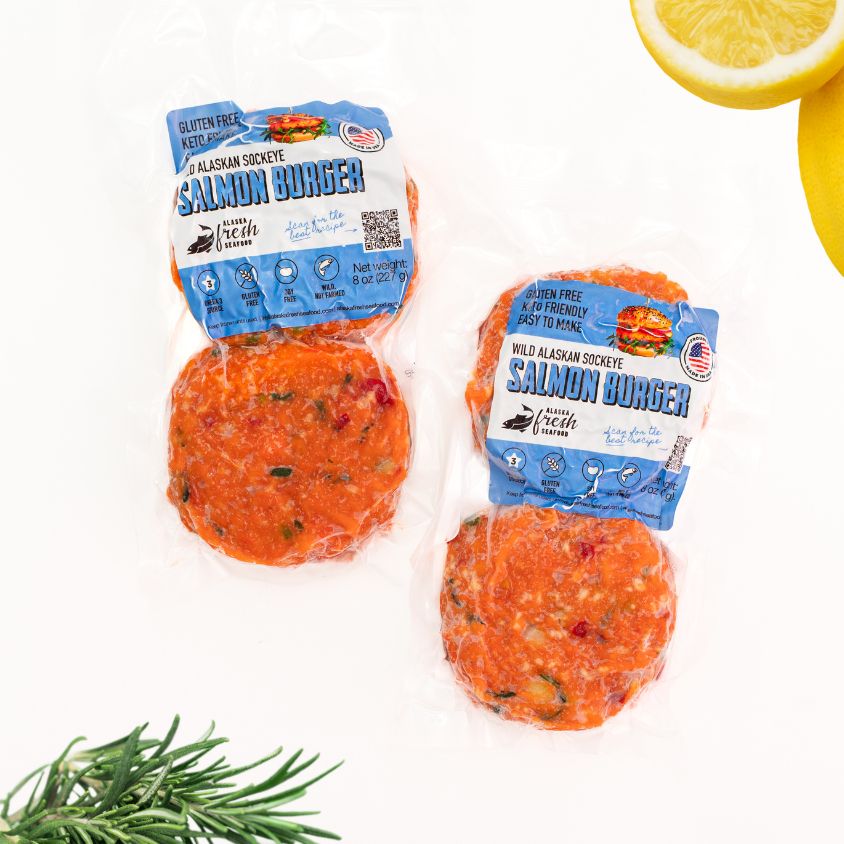
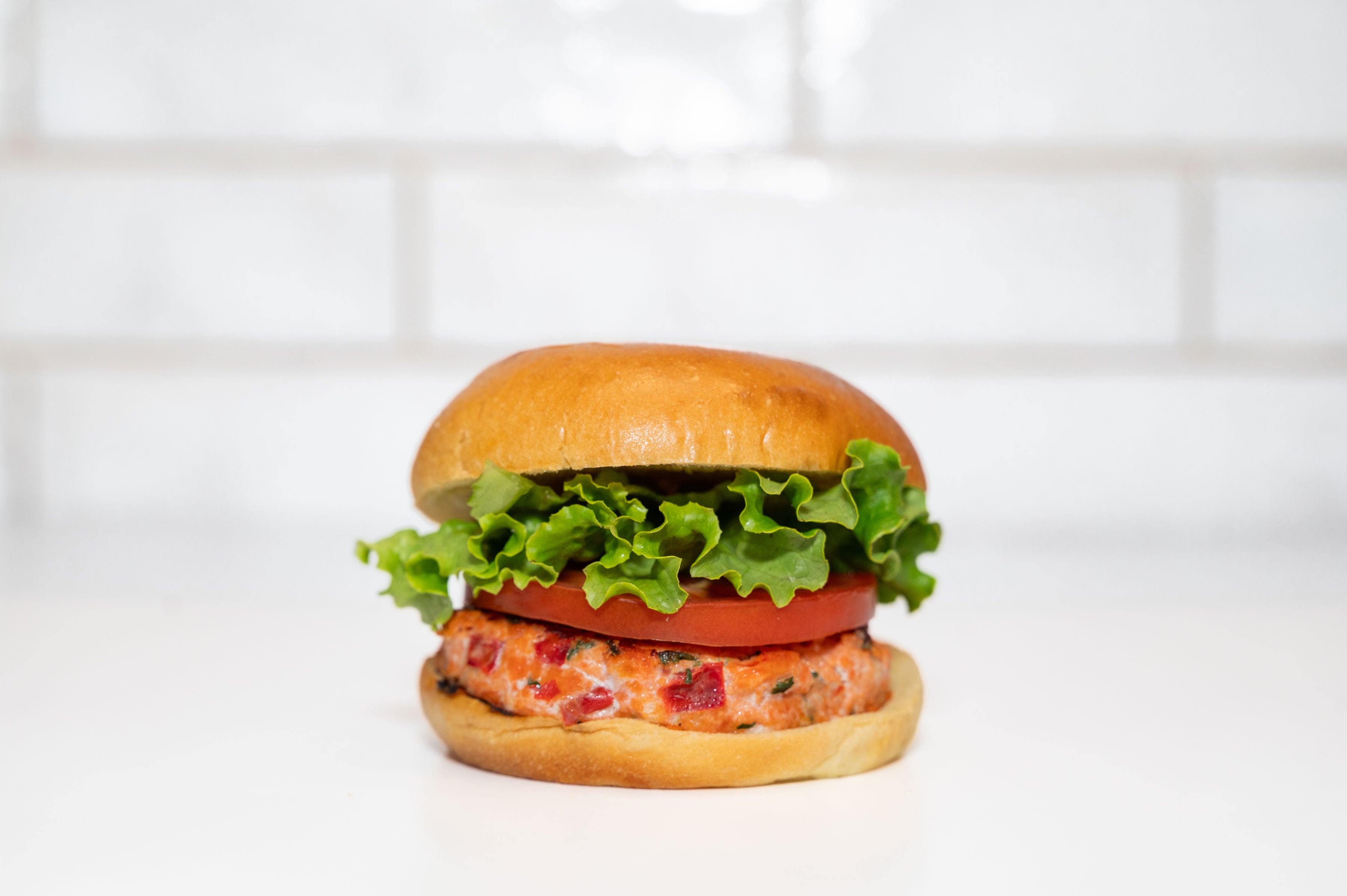
Wild Salmon Burgers - Alaskan Sockeye (8oz)
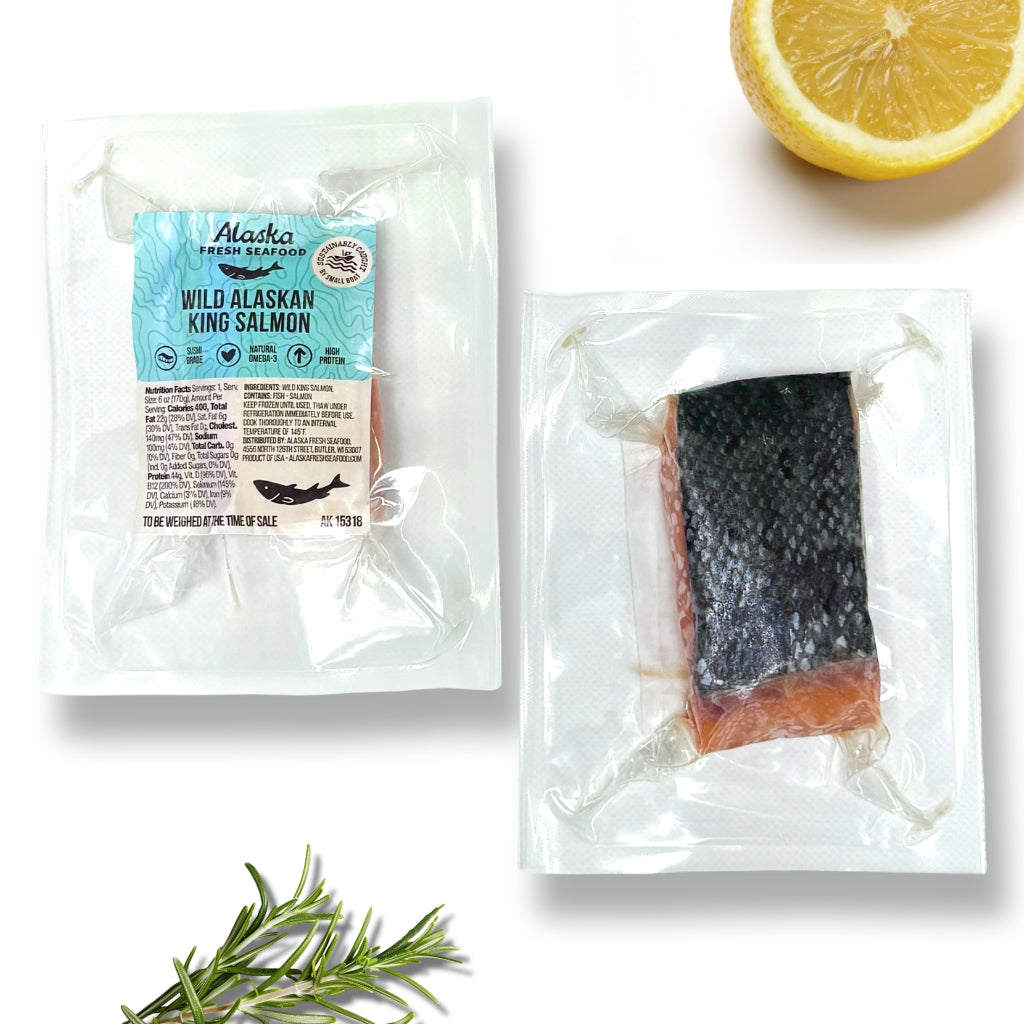
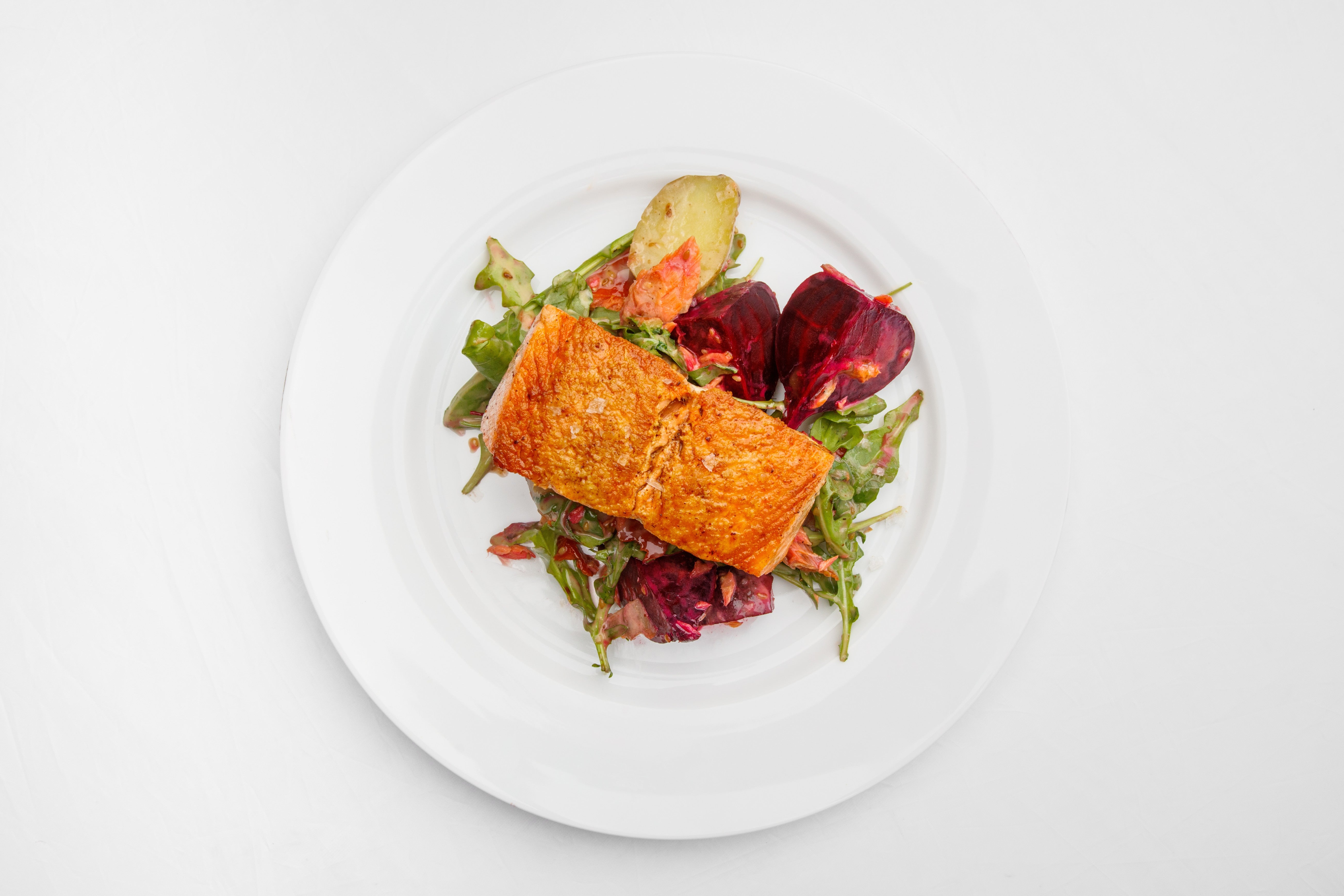
Wild Alaskan King Salmon Portions
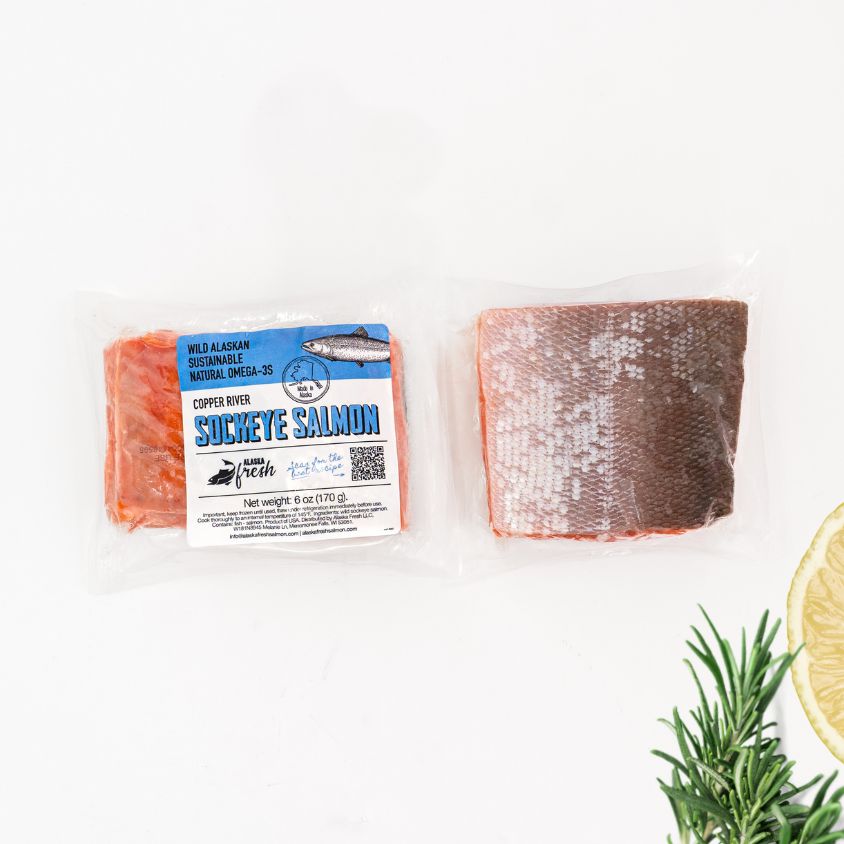
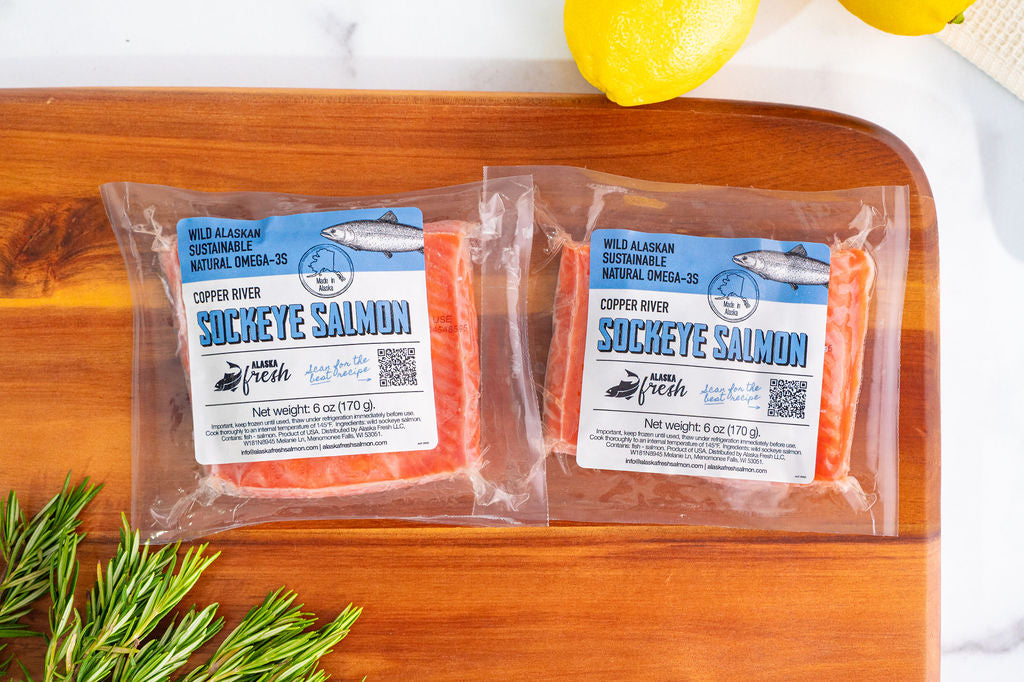
Copper River Sockeye Salmon Portions
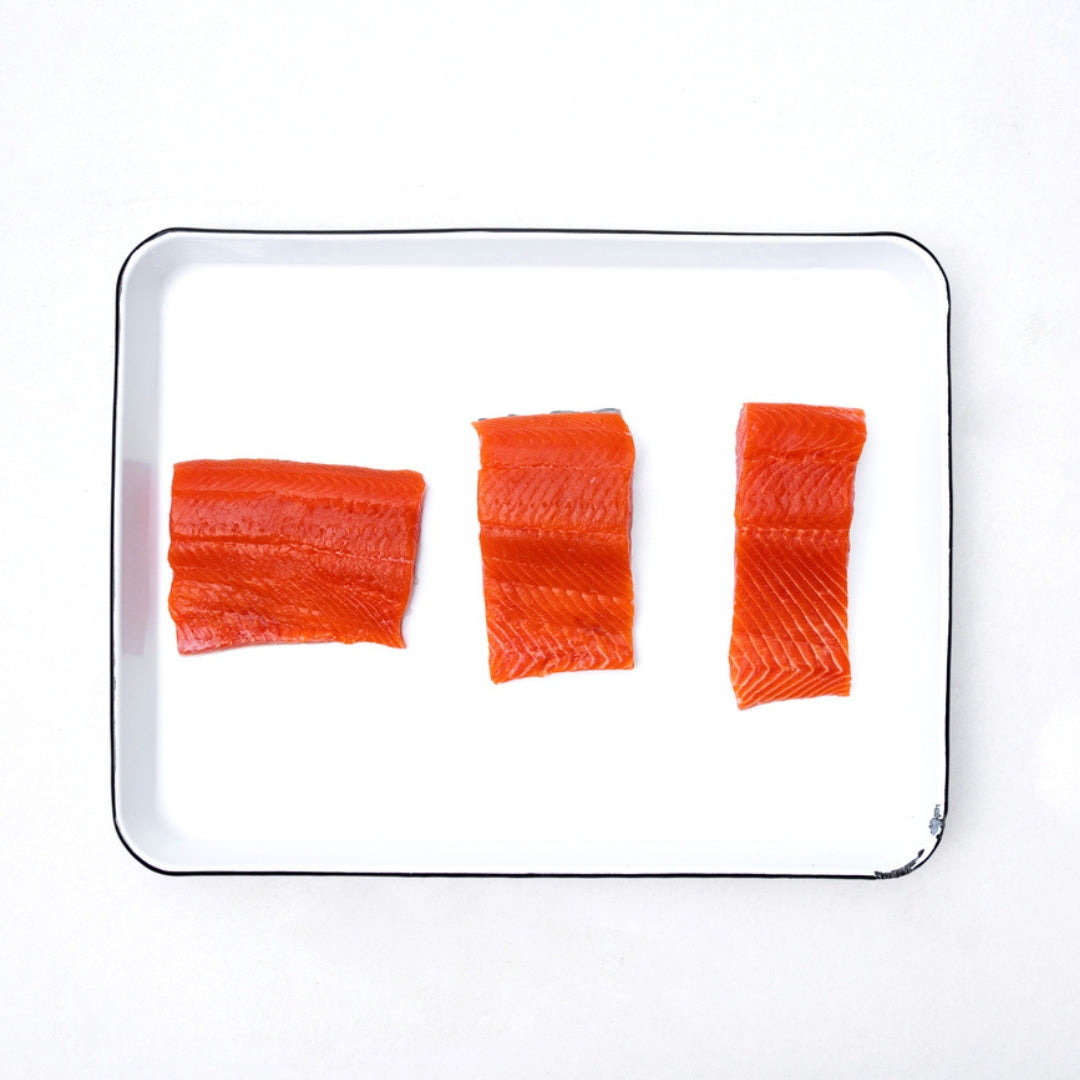
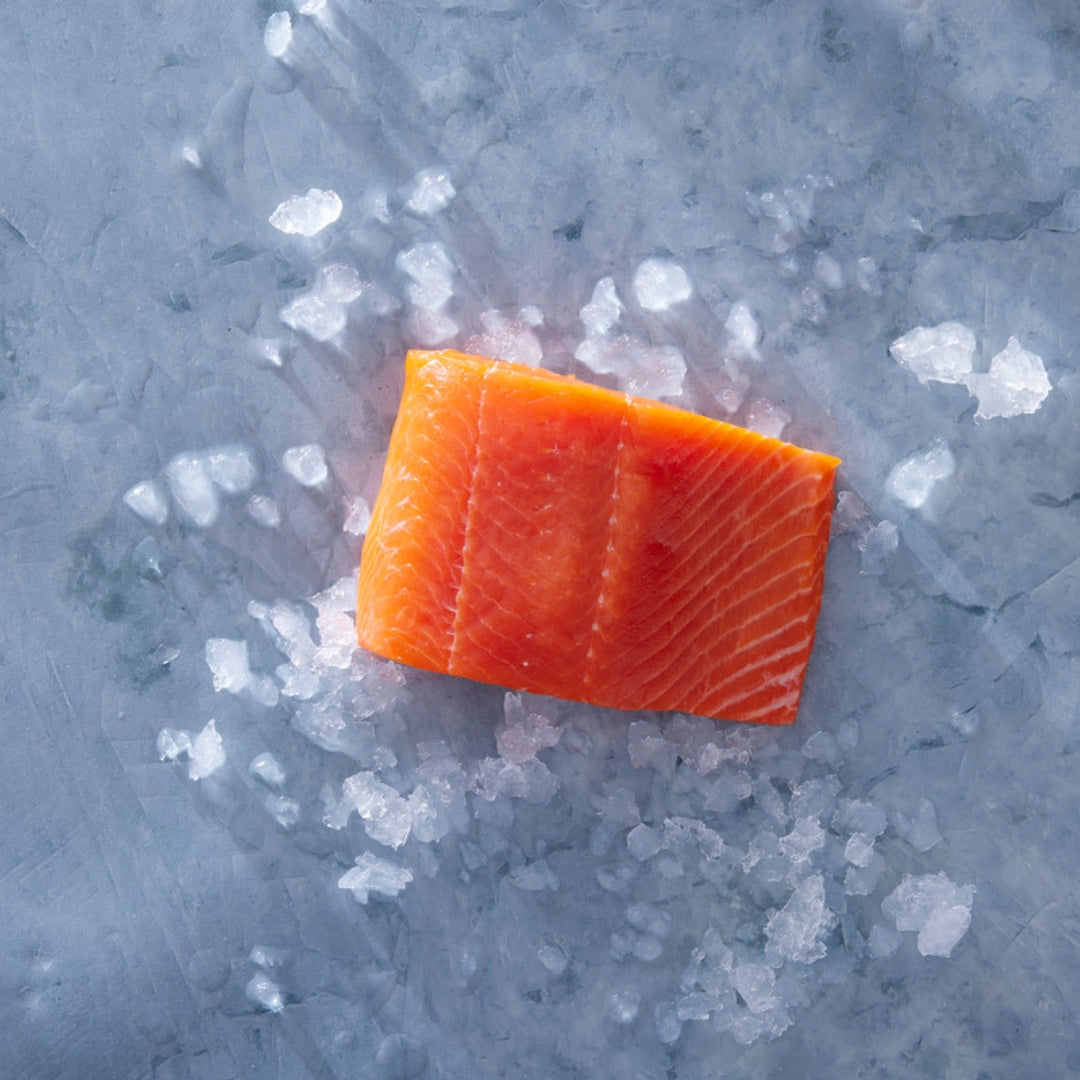
Wild Alaskan Sockeye Salmon Portions
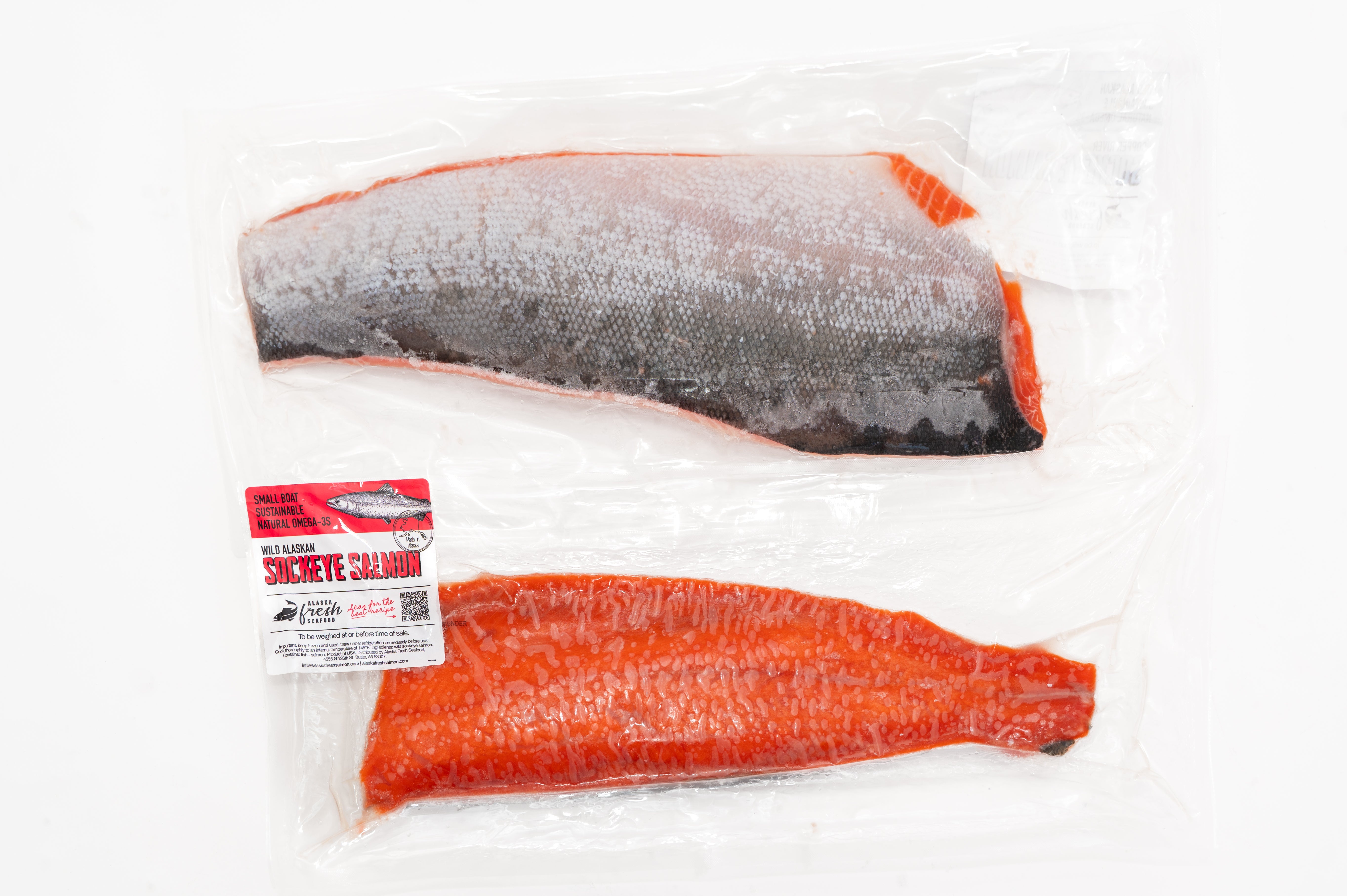
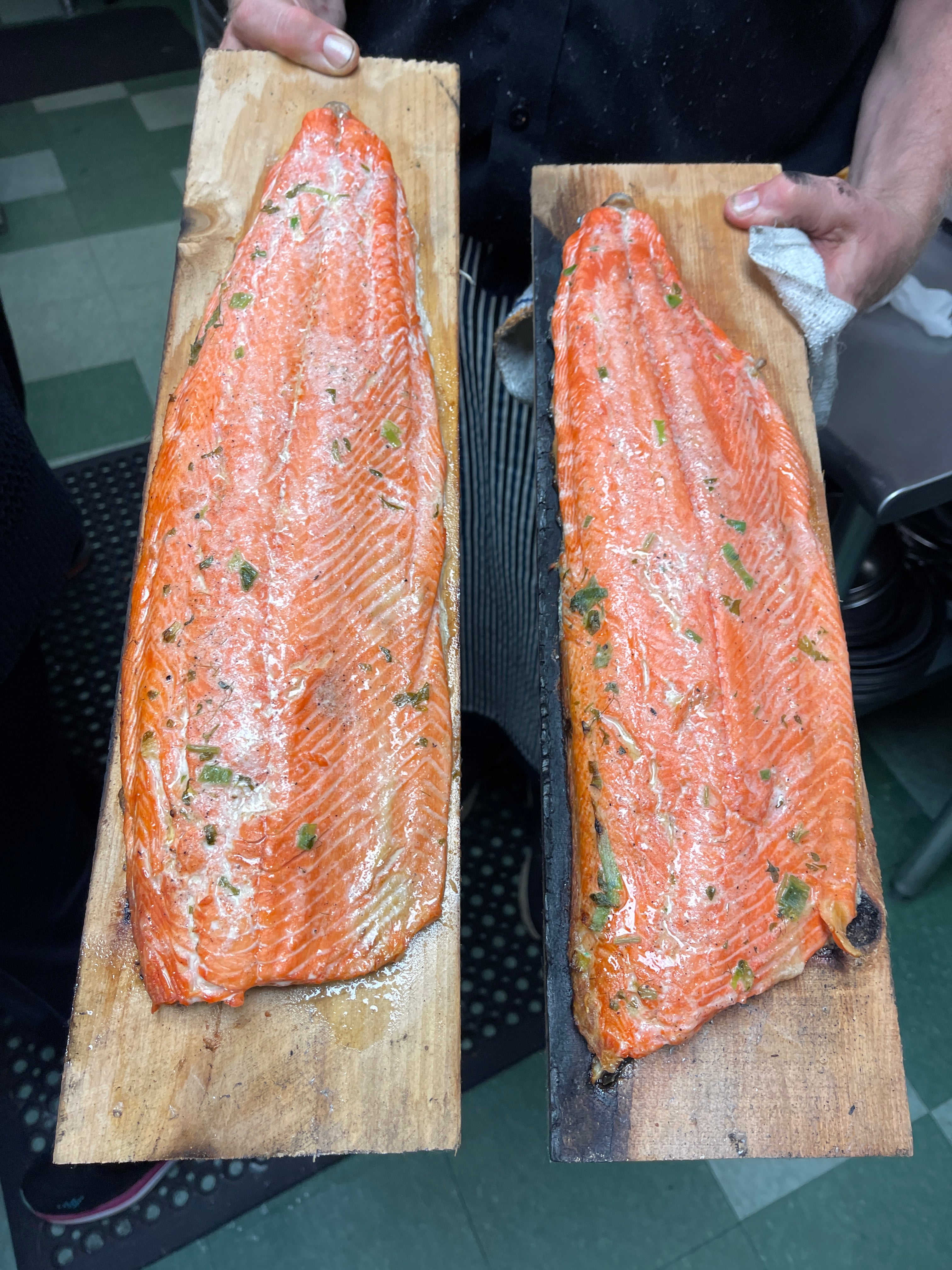
Wild Alaskan Sockeye Salmon Fillet (Full Side)
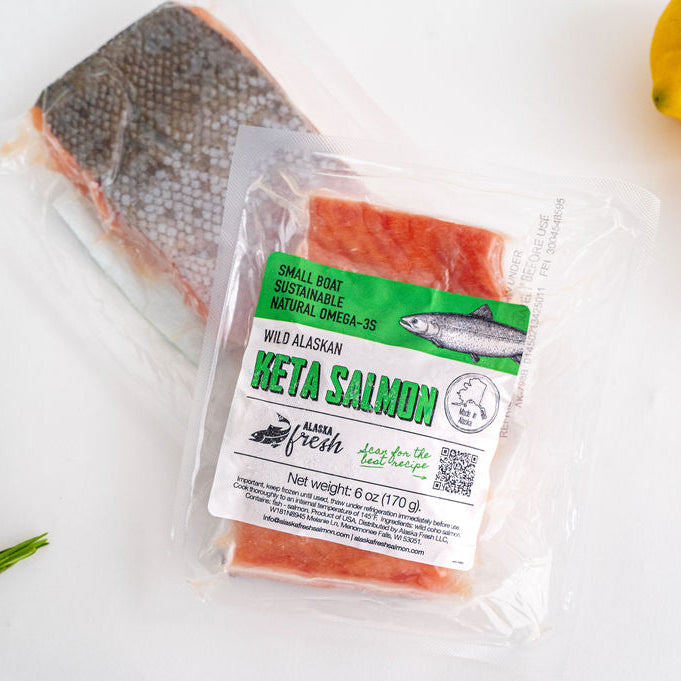
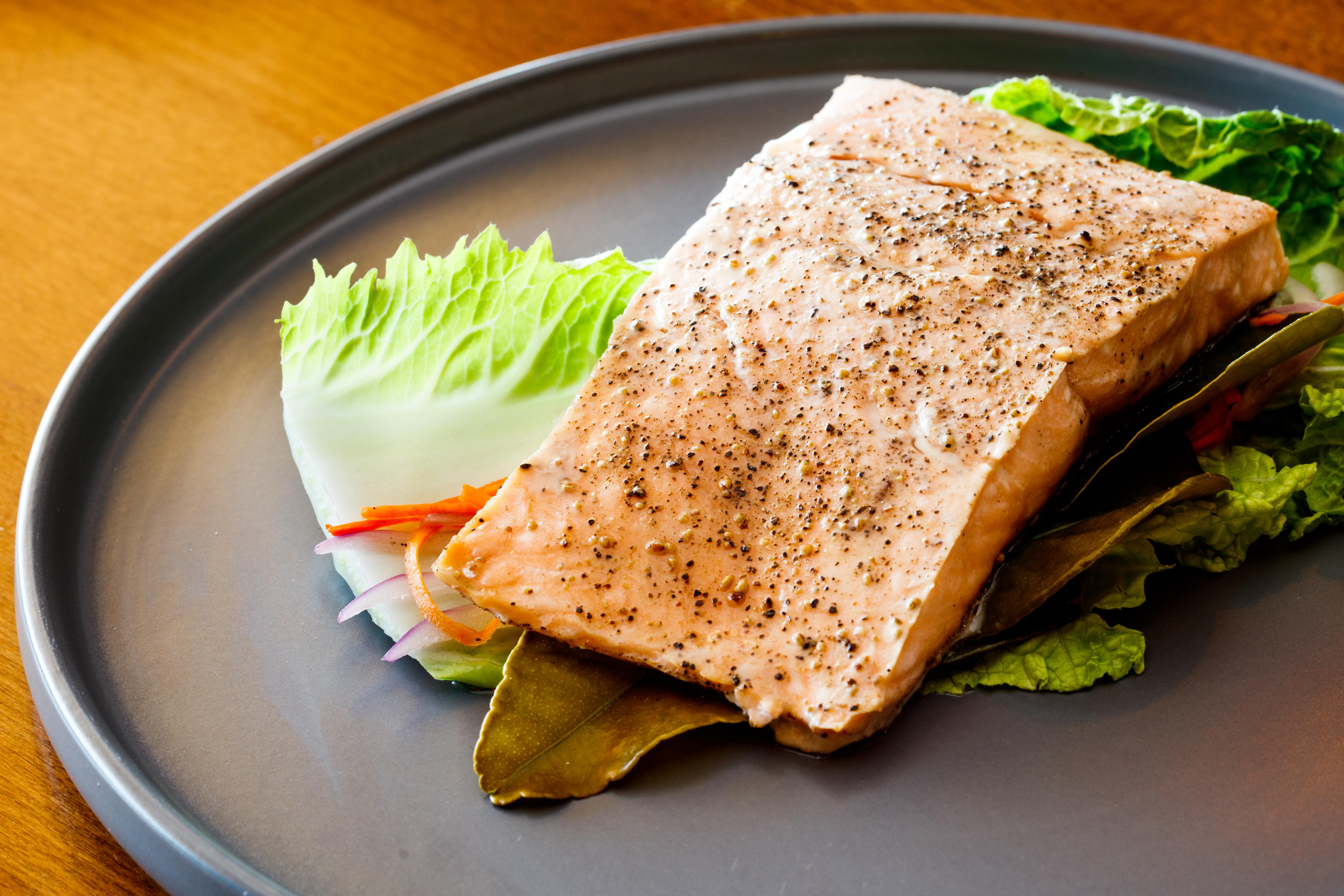
Wild Alaskan Keta Salmon Portions

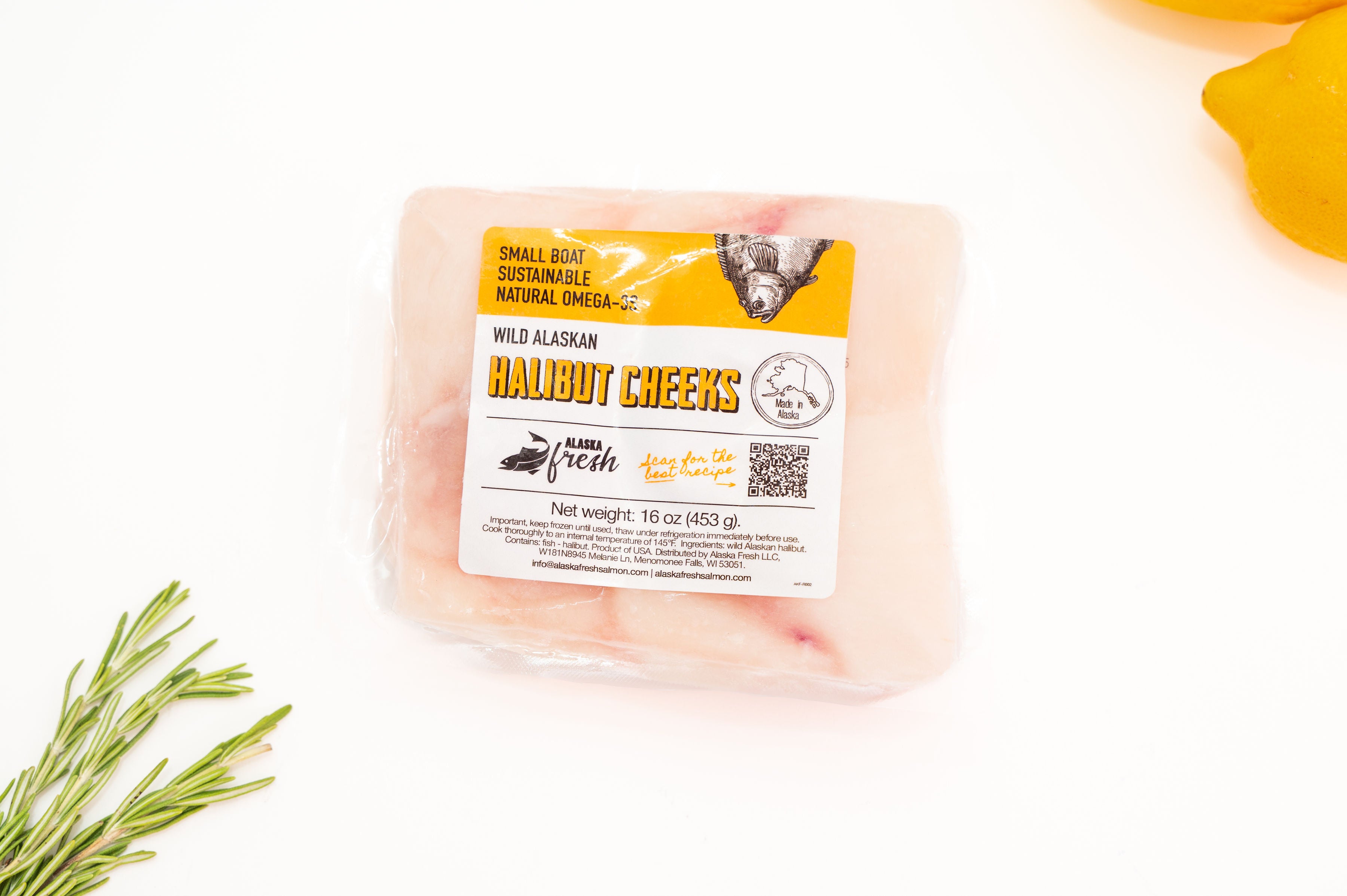
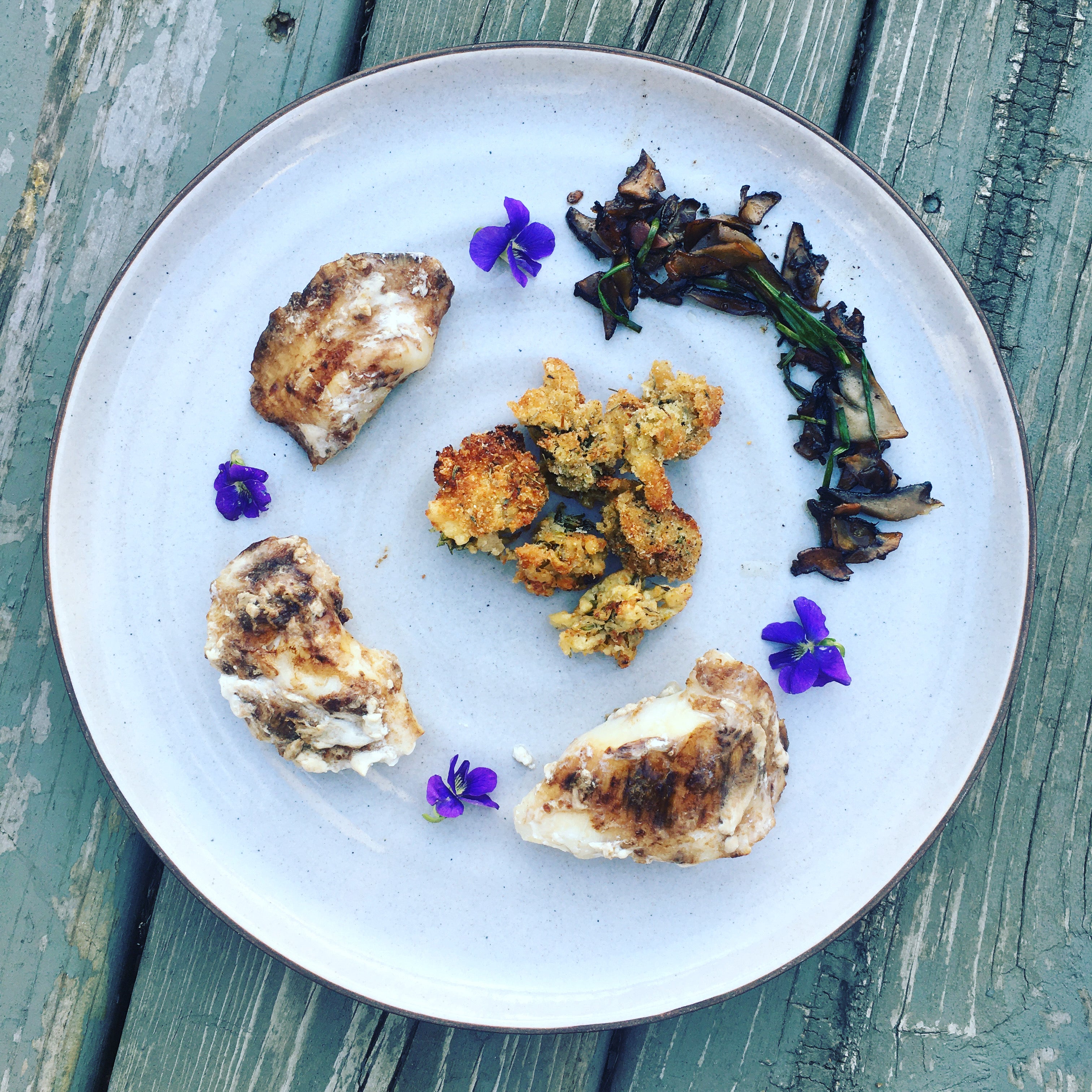
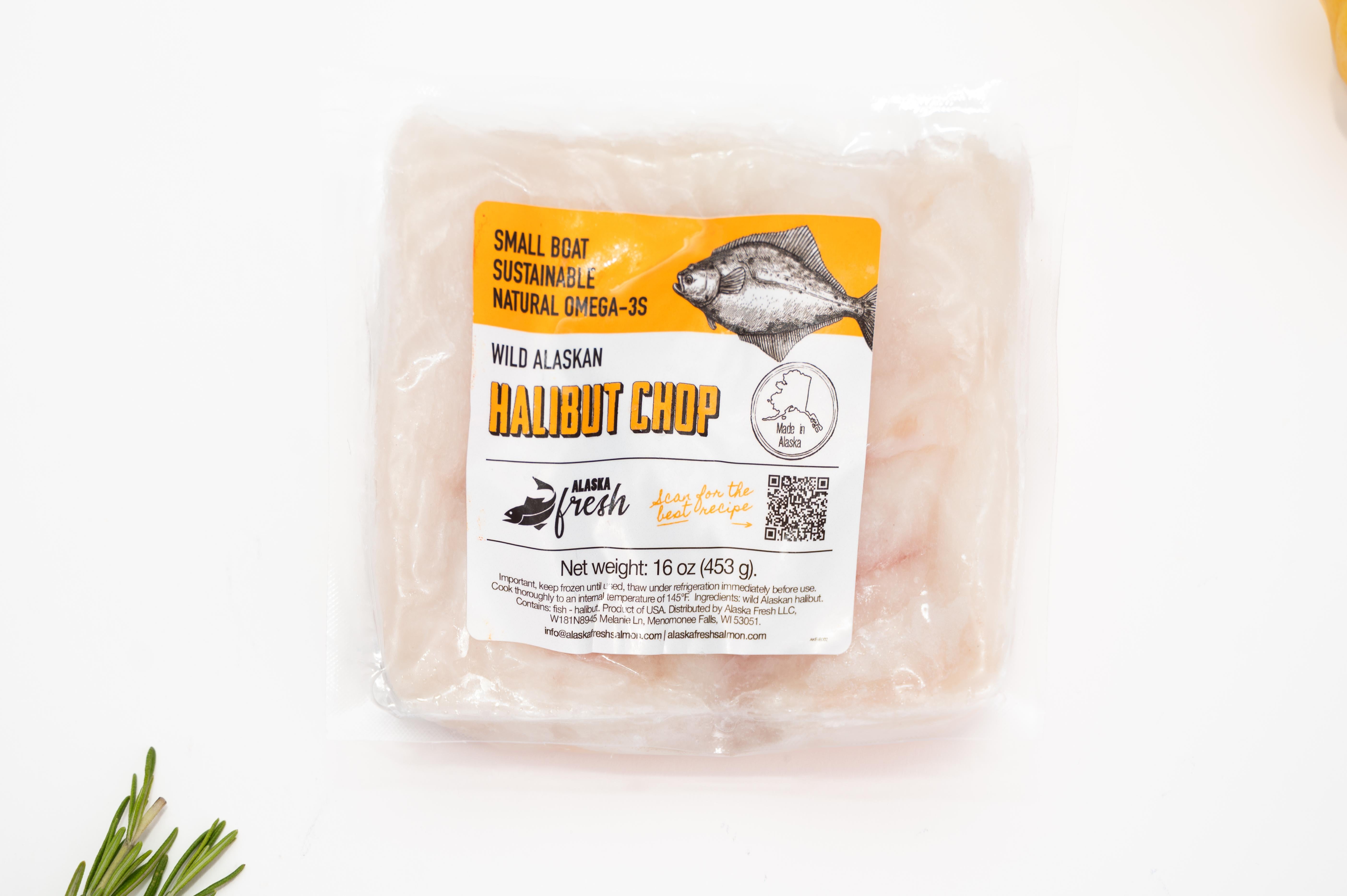
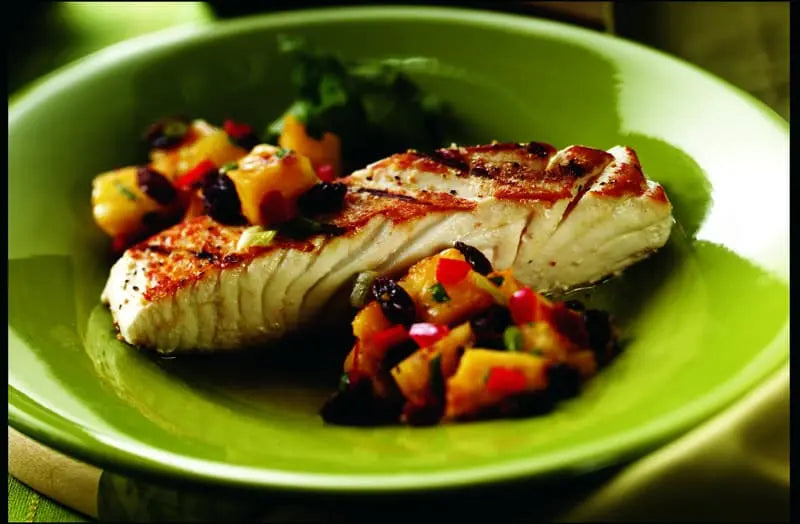
Brush halibut generously with olive oil, melted butter, or another cooking fat before it goes onto the grill.
Season simply with salt, pepper, lemon, garlic, herbs, paprika, or your favorite spice blend.
Halibut also works beautifully with herb butter, chimichurri, citrus salsa, pesto, and compound butter.
Grilling temperature: Use medium high heat, approximately 375°F to 400°F.
For an average portion, grill approximately 4 to 5 minutes per side, depending on thickness. The fish should be opaque and beginning to flake while remaining moist in the center. Because halibut is firm, it holds together well on the grill, making it an excellent choice for people who may be nervous about grilling fish
Halibut on a Traeger
Halibut works very well with the gentle indirect heat of a pellet grill.
Cook around 375°F, and consider brushing it with butter halfway through cooking to help retain moisture.
Milder woods such as apple, alder, or pecan complement halibut without overpowering it
Halibut on a Big Green Egg
Use indirect heat around 375°F to 400°F.
Halibut works particularly well in cast iron on the Egg. Add butter, lemon slices, garlic, and fresh herbs to the pan and allow the fish to gently cook in all of that flavor.
Halibut on a blackstone
The Blackstone may be one of the easiest ways to cook halibut.
Lightly oil the surface, place the fish onto the hot griddle, and leave it alone long enough to develop a golden crust before flipping.
Finish with butter and lemon, and you have a restaurant style piece of halibut without leaving your backyard.
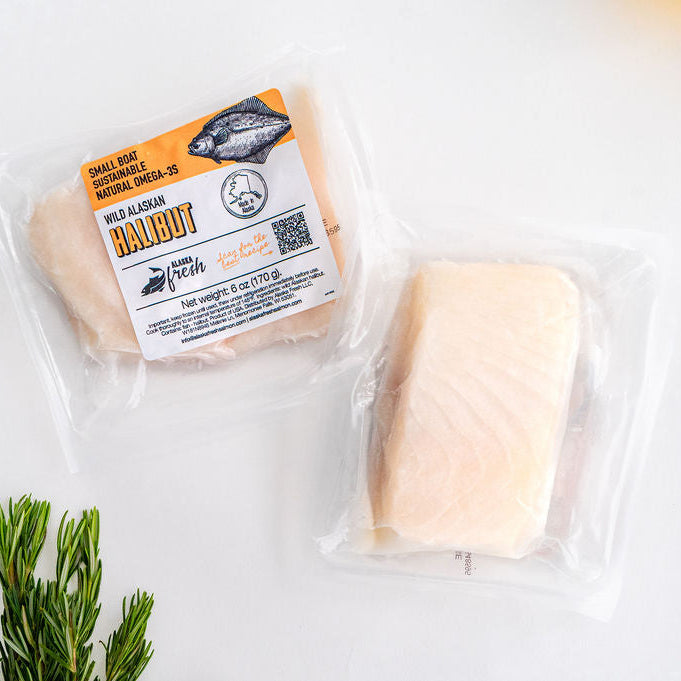
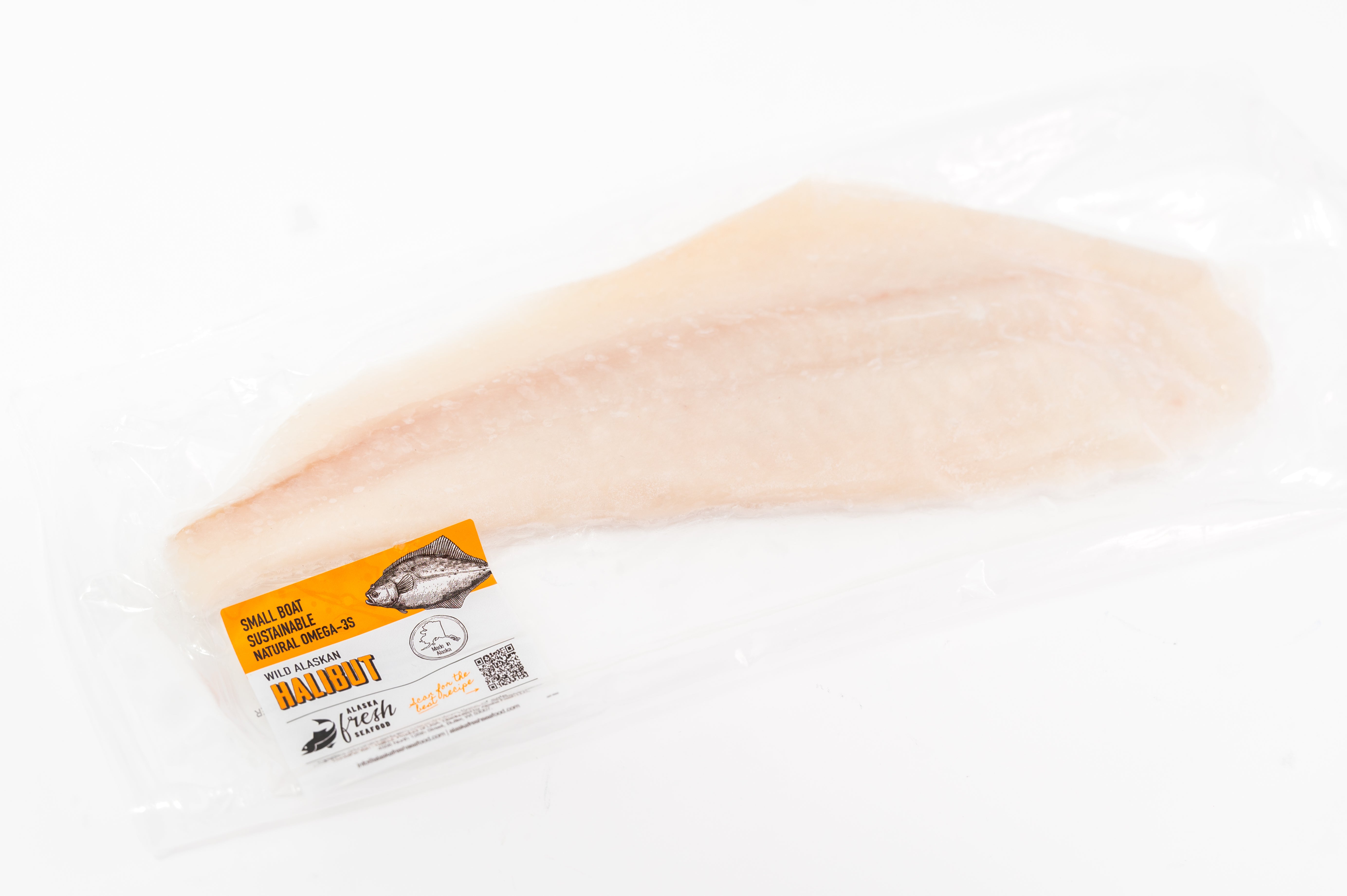
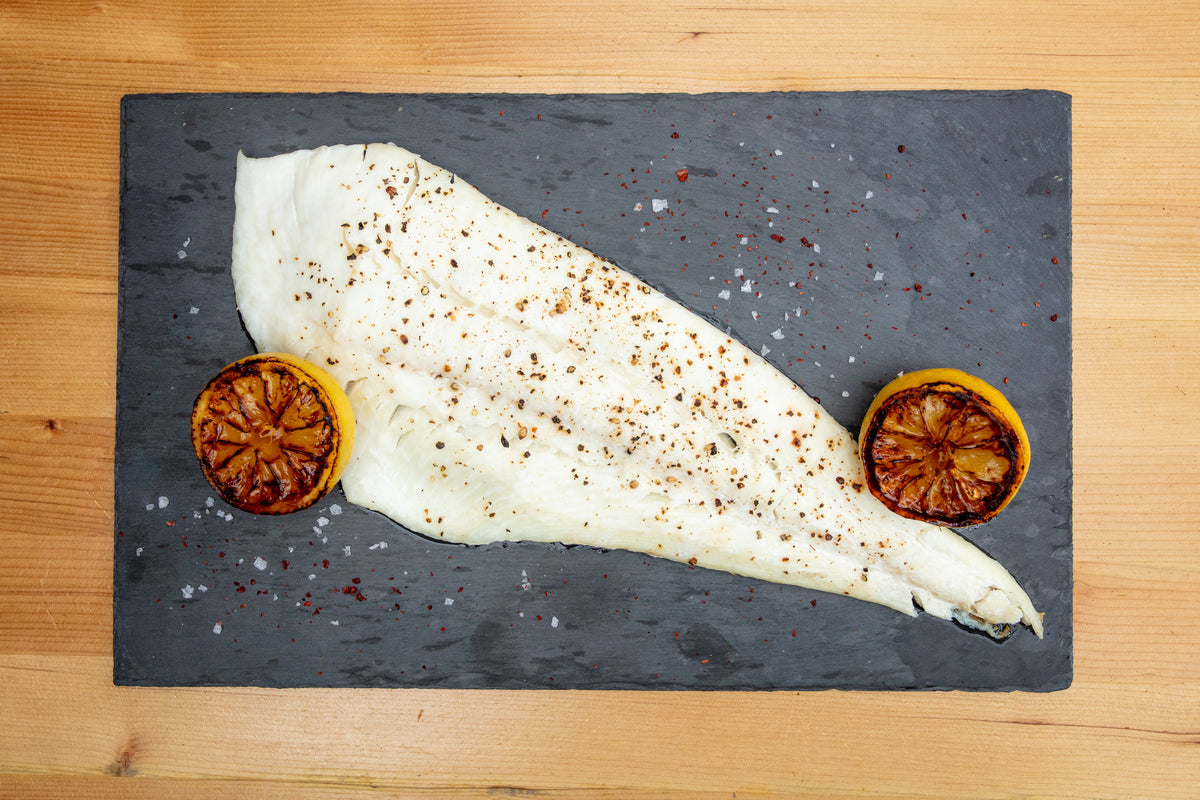
Full Fillet - Wild Alaskan Halibut
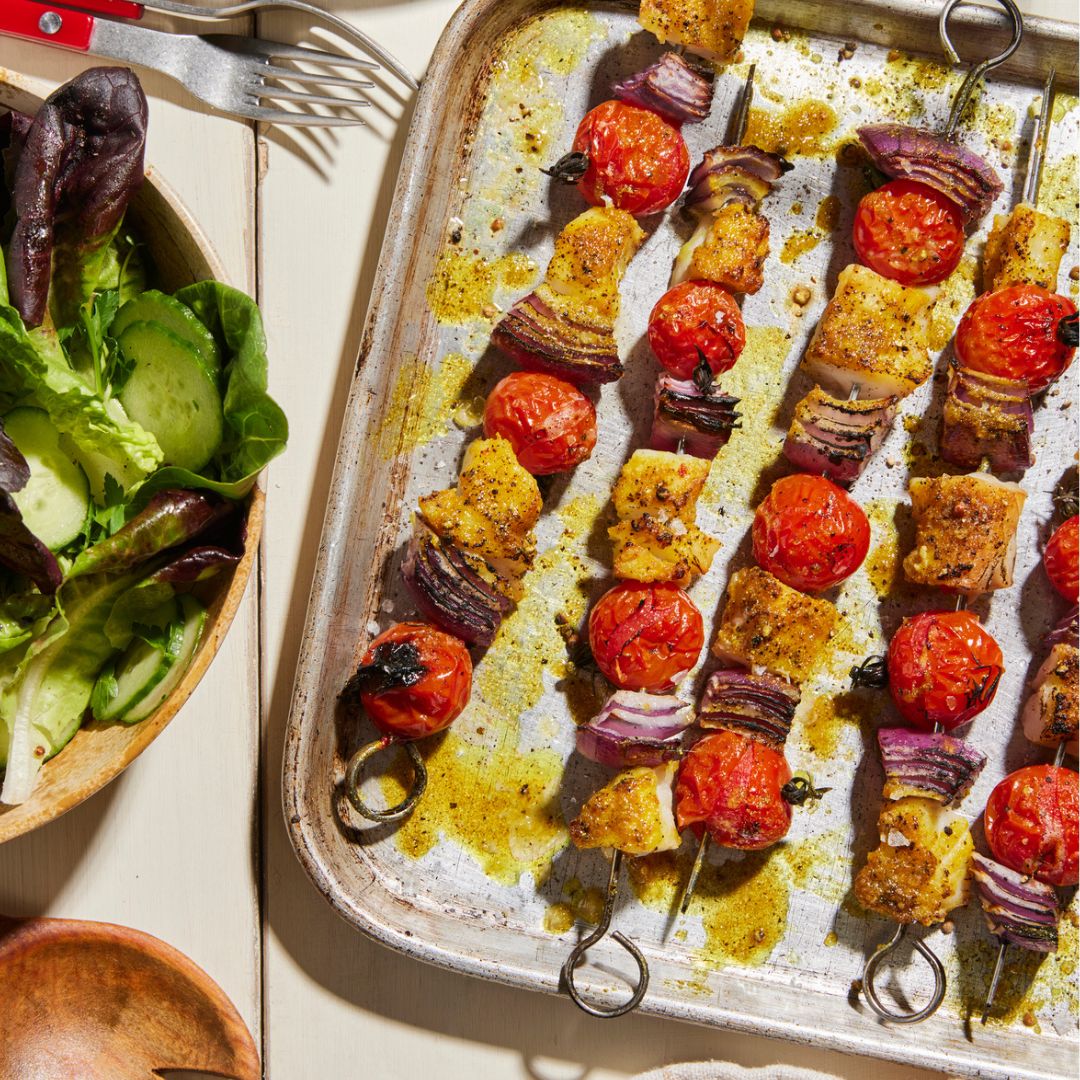
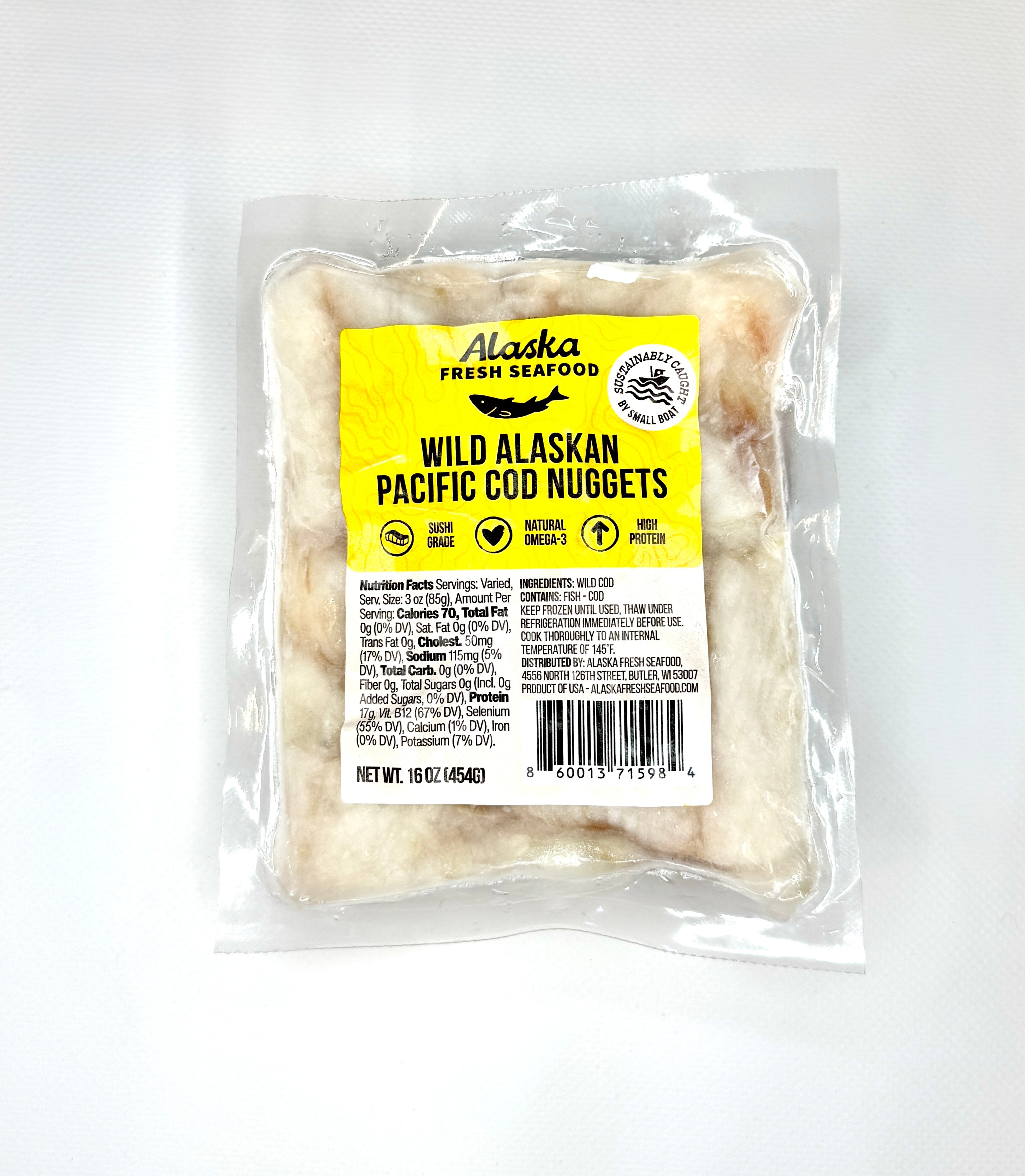
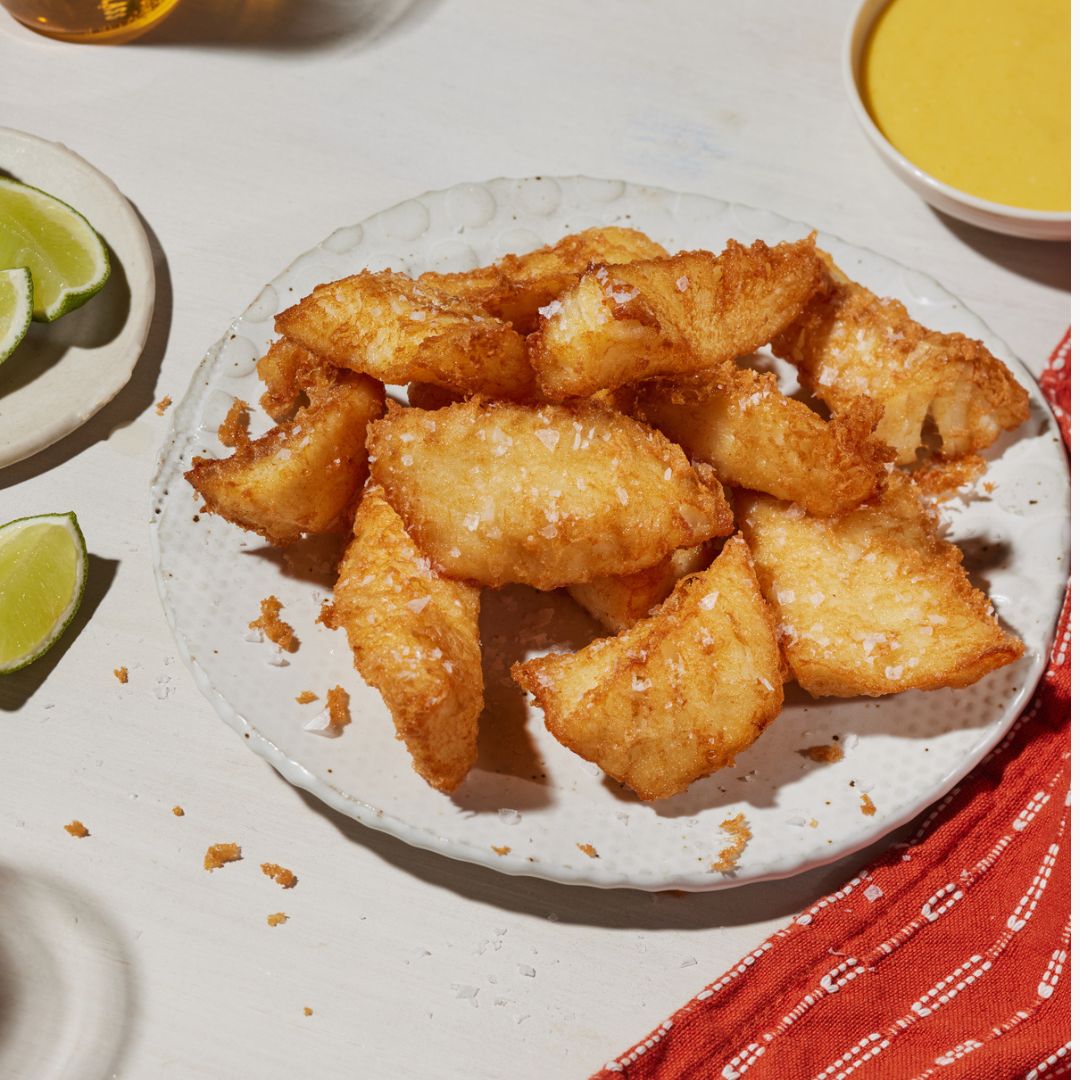
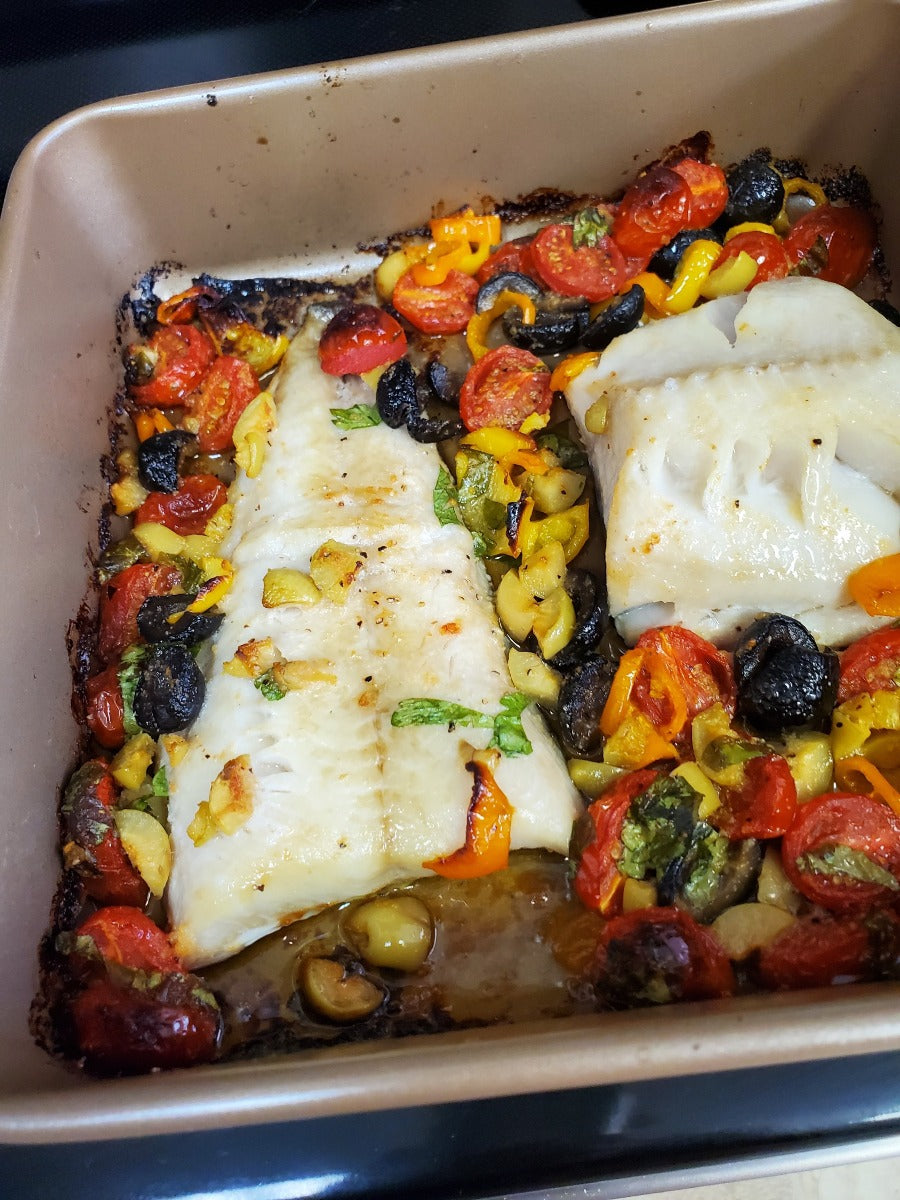
Cod can separate into large flakes as it cooks, so use a wide spatula and flip it carefully. You can also grill cod in a cast iron skillet, grill basket, or foil packet if you are concerned about it sticking or breaking apart.
Grilling temperature: Aim for approximately 350°F to 400°F.
Depending on thickness, portions usually cook in approximately 8 to 10 minutes total. Cook until the flesh becomes opaque and separates easily into moist flakes.
COD on a Traeger
The Traeger is a great match for Pacific cod because the indirect heat reduces the chance of the fish breaking apart.
Cook it around 375°F and pair it with a mild wood flavor.
Try brushing the cod with garlic butter, lemon herb butter, or olive oil before cooking.
Cod on a Big Green Egg
Cook cod using indirect heat around 375°F.
For especially delicate pieces, use cast iron or a perforated grill pan rather than placing the fish directly onto the grate.
The Egg's charcoal flavor works beautifully with simple seasonings like lemon, garlic, parsley, and butter.
Cod on a Blackstone
The flat cooking surface of a Blackstone makes it particularly useful for delicate fish.
Use medium heat with a thin layer of oil or butter. Allow the first side to cook until golden before carefully flipping.
Blackstone cod is also perfect for fish tacos. Add tortillas to another section of the griddle while the fish cooks and dinner comes together very quickly.

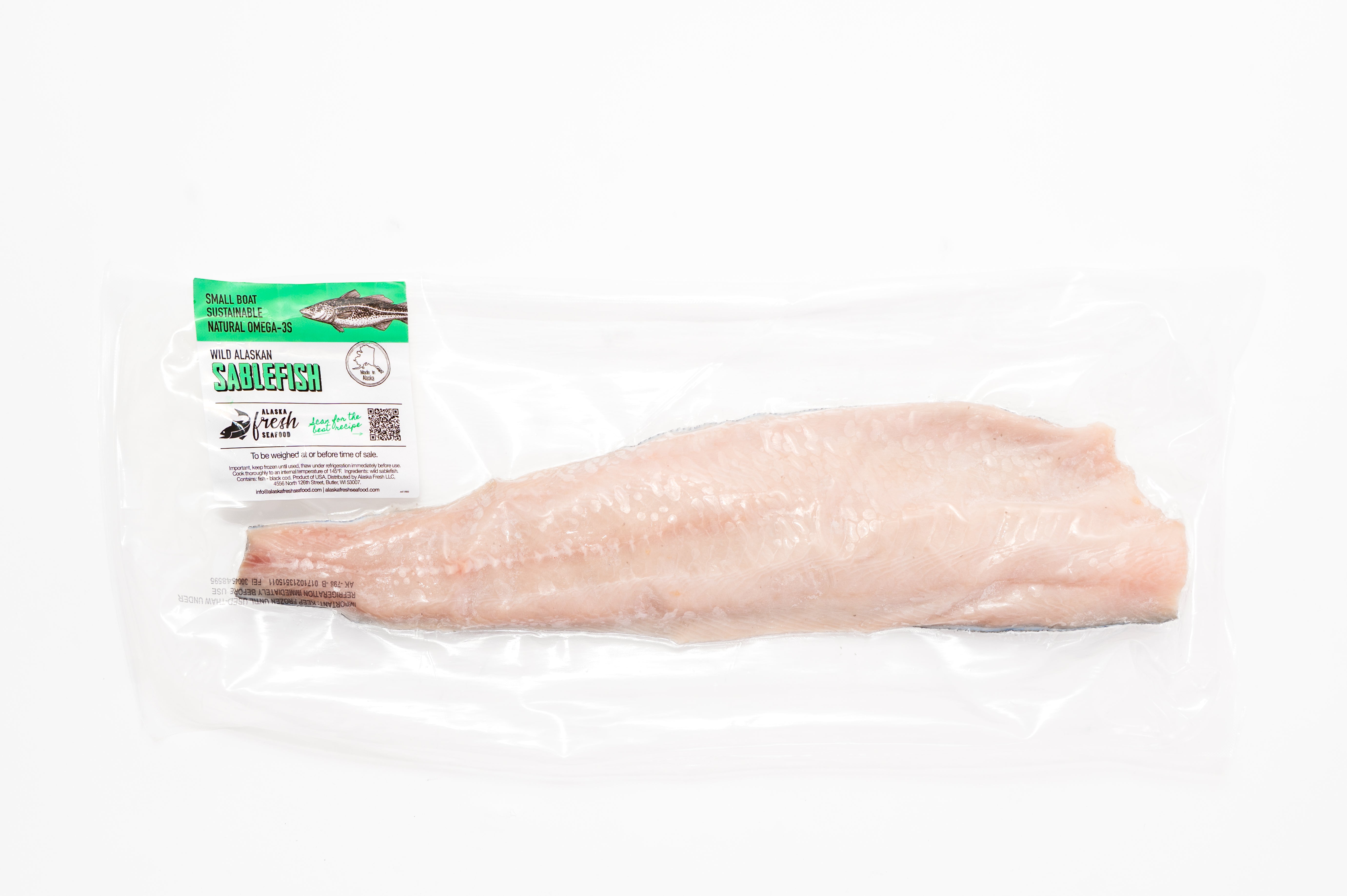
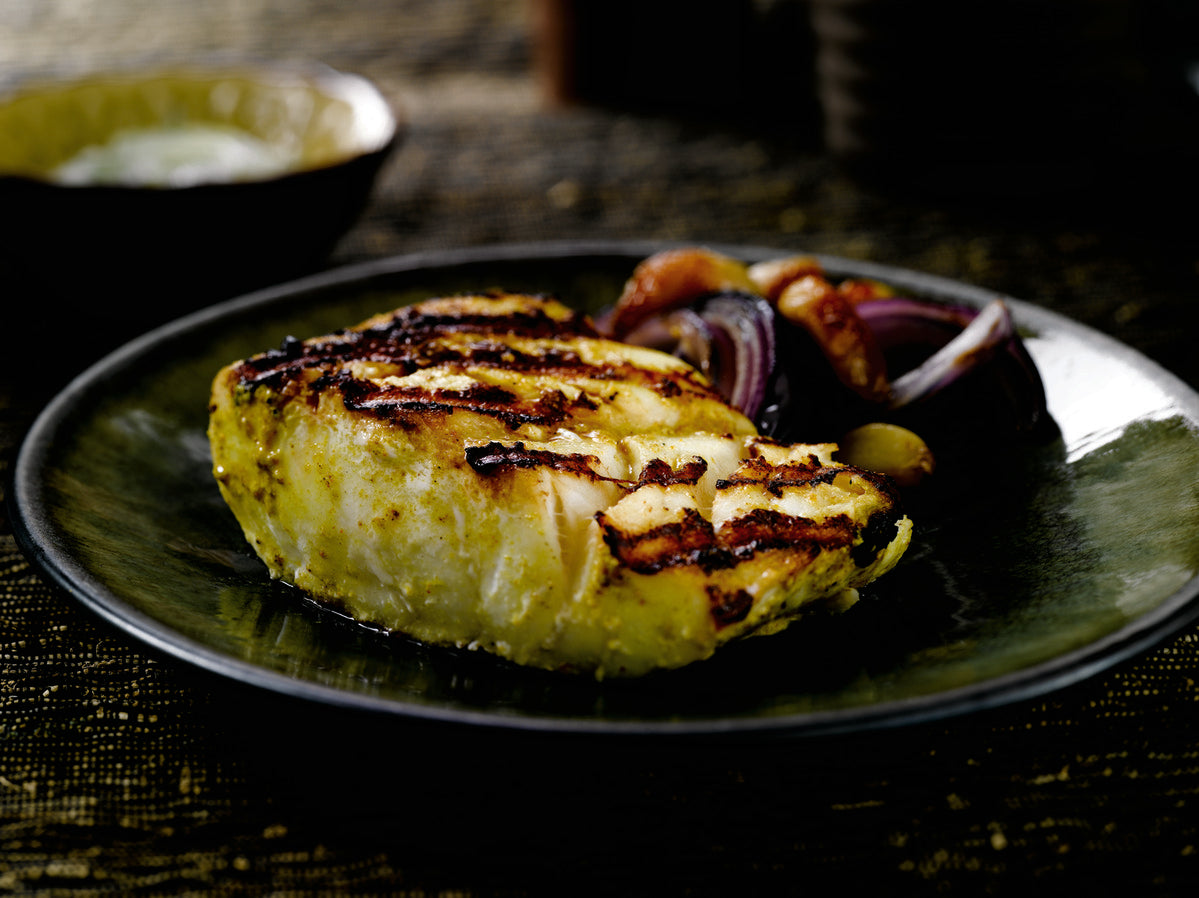
Sablefish contains enough natural fat to handle heat better than many lean white fish.
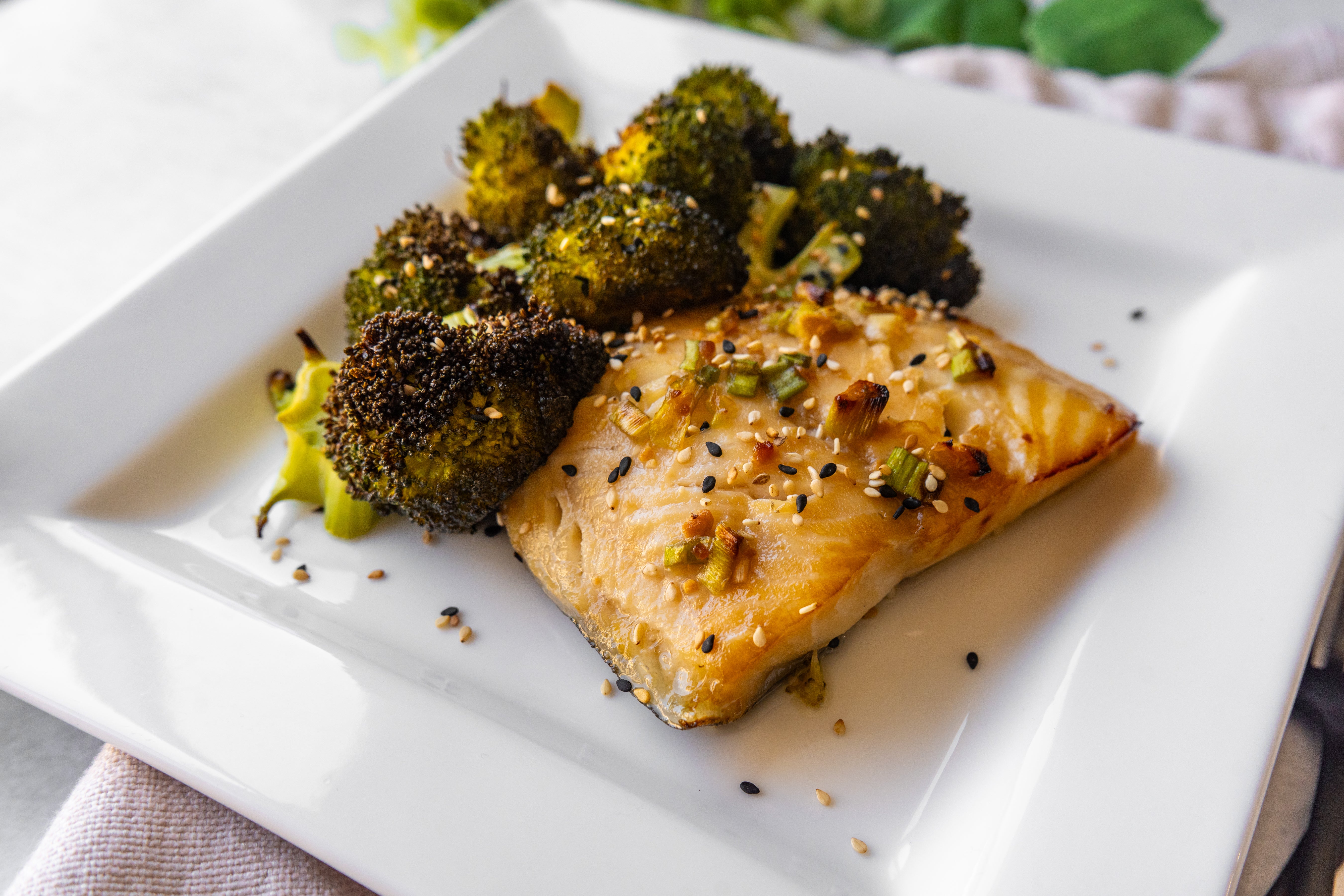
Brush the fish lightly with oil and season simply, or marinate it before cooking. Miso, soy sauce, ginger, garlic, maple, honey, citrus, teriyaki, and chili all pair especially well with sablefish.
Because marinades containing sugar can caramelize quickly, keep an eye on the surface of the fish so your glaze gets beautifully browned rather than burned.
Grilling temperature: Aim for approximately 375°F to 425°F.
Depending on thickness, sablefish portions generally take around 8 to 12 minutes. If cooking skin-on sablefish, begin with the skin side down. Allow it to cook undisturbed until the skin crisps and the fish releases easily from the grate
Sablefish on a Traeger
Sablefish and wood smoke are a particularly good combination.
Cook around 375°F using alder, apple, maple, or another relatively mild wood.
Because sablefish is naturally rich, it can also handle a longer period at a lower smoking temperature before being finished at higher heat.
A miso glazed sablefish on a Traeger is difficult to argue with.
Sablefish on a Big Green Egg
Set the Big Green Egg for indirect cooking around 375°F to 400°F.
The charcoal flavor works beautifully with sablefish's buttery richness. You can cook it directly on the grate, on a cedar plank, or in cast iron.
For glazed sablefish, indirect heat is particularly helpful because it allows the glaze to caramelize without scorching too quickly.
Sablefish on a Blackstone
A Blackstone gives sablefish a beautifully caramelized exterior while keeping the interior tender.
Use medium heat and a lightly oiled surface. If the fish has skin, start skin side down and give it time to crisp before carefully flipping.
For a quick dinner, finish the sablefish with garlic butter, soy ginger glaze, or a squeeze of fresh citrus.
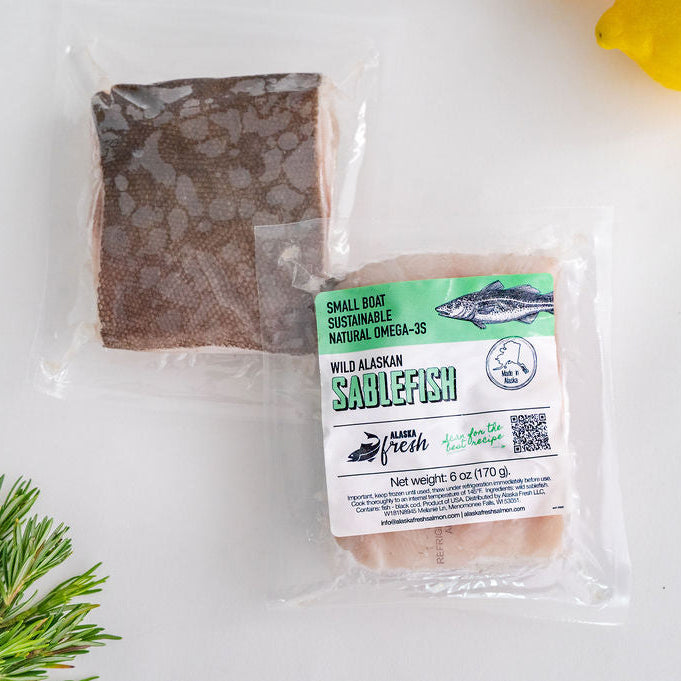
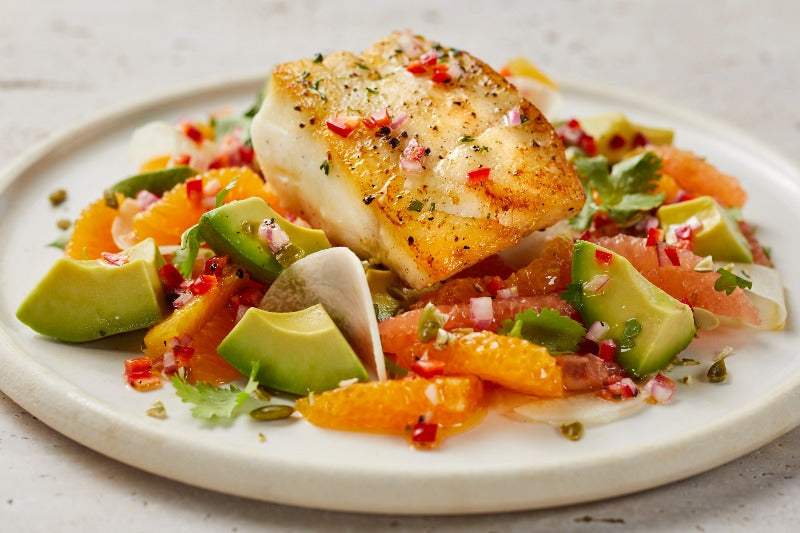
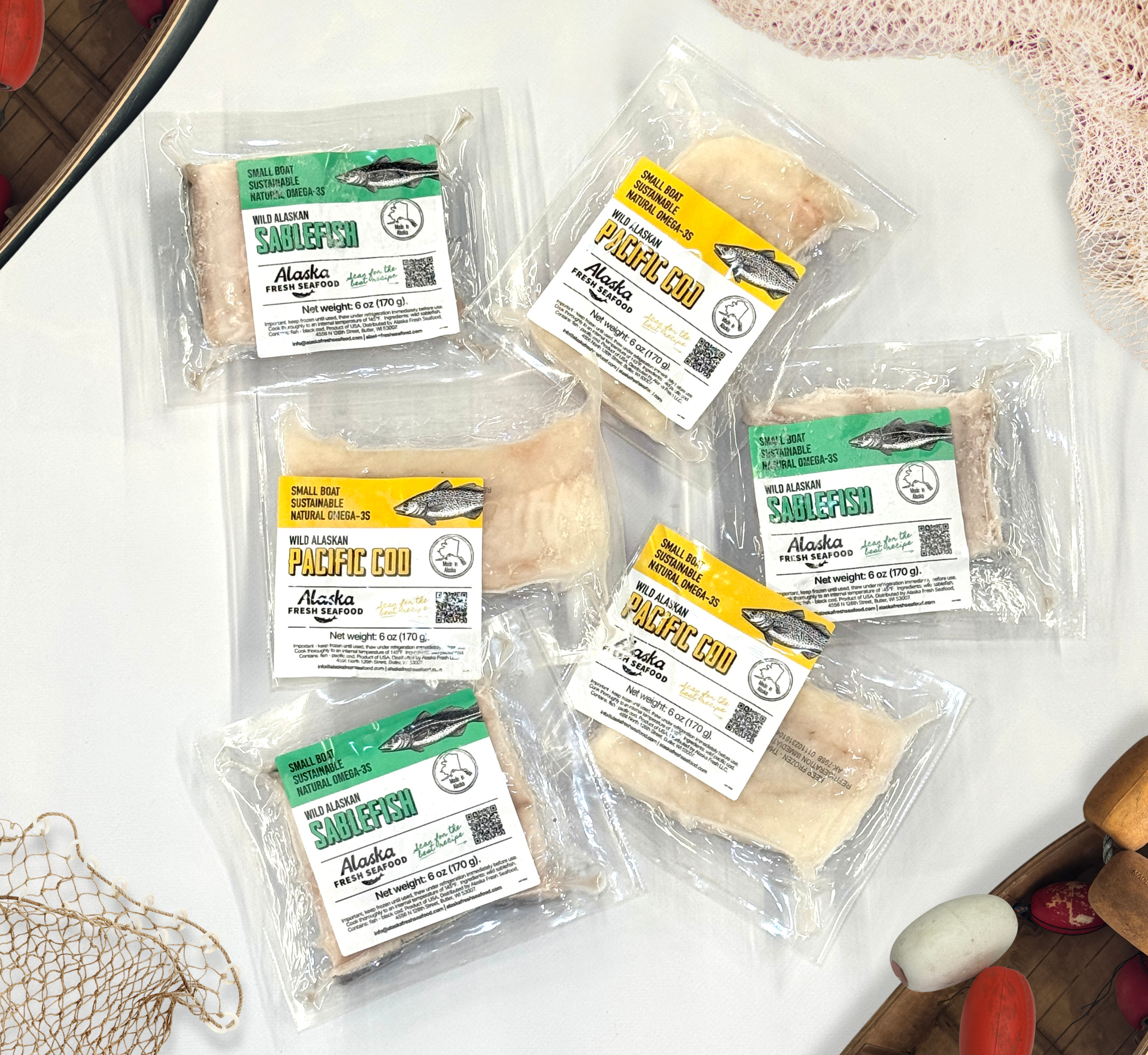
Wild Alaskan Sablefish (Black Cod) Portions
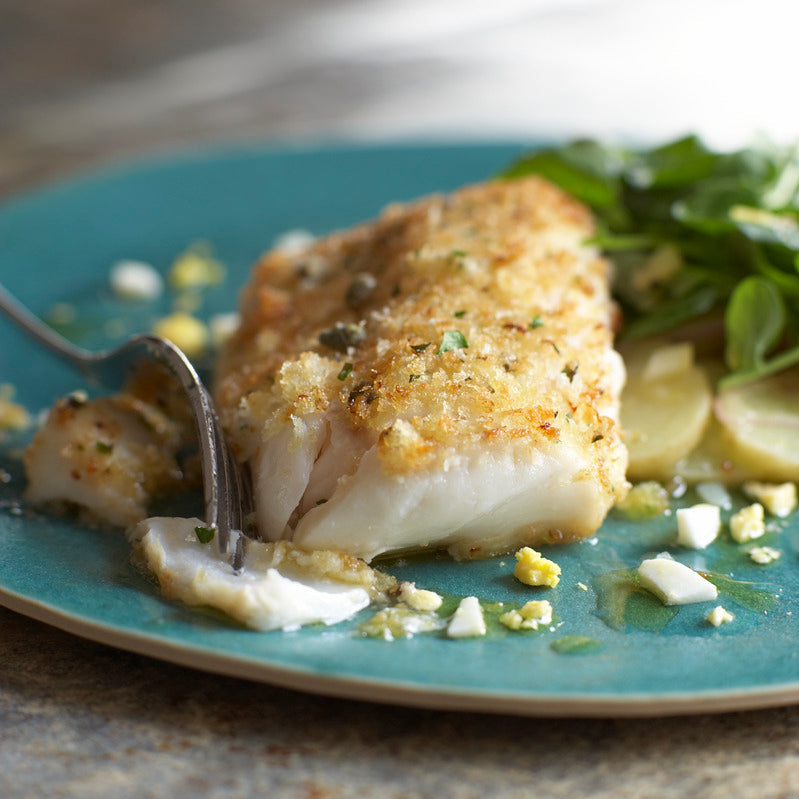
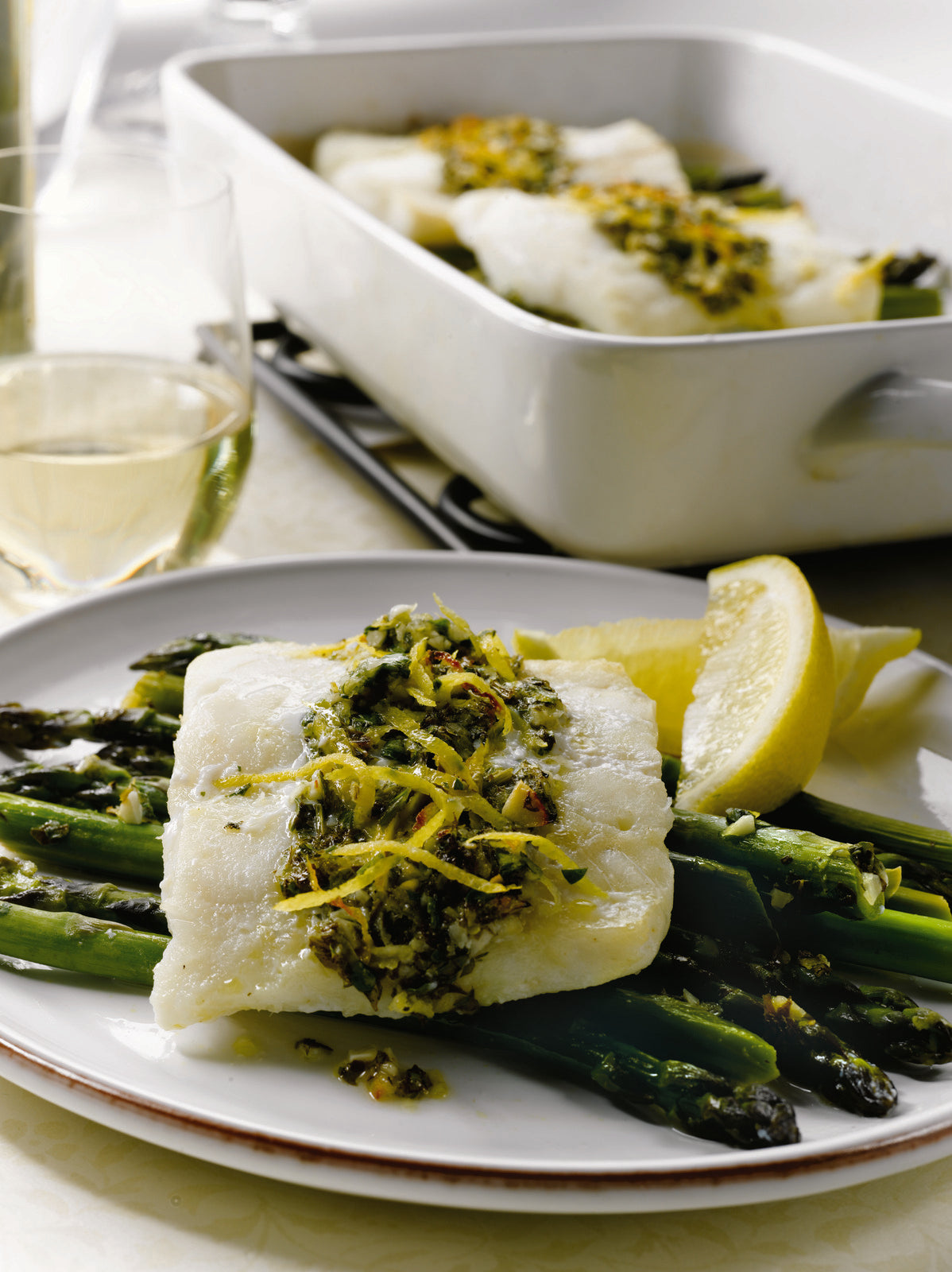
Wild Alaskan Pacific Cod Portions
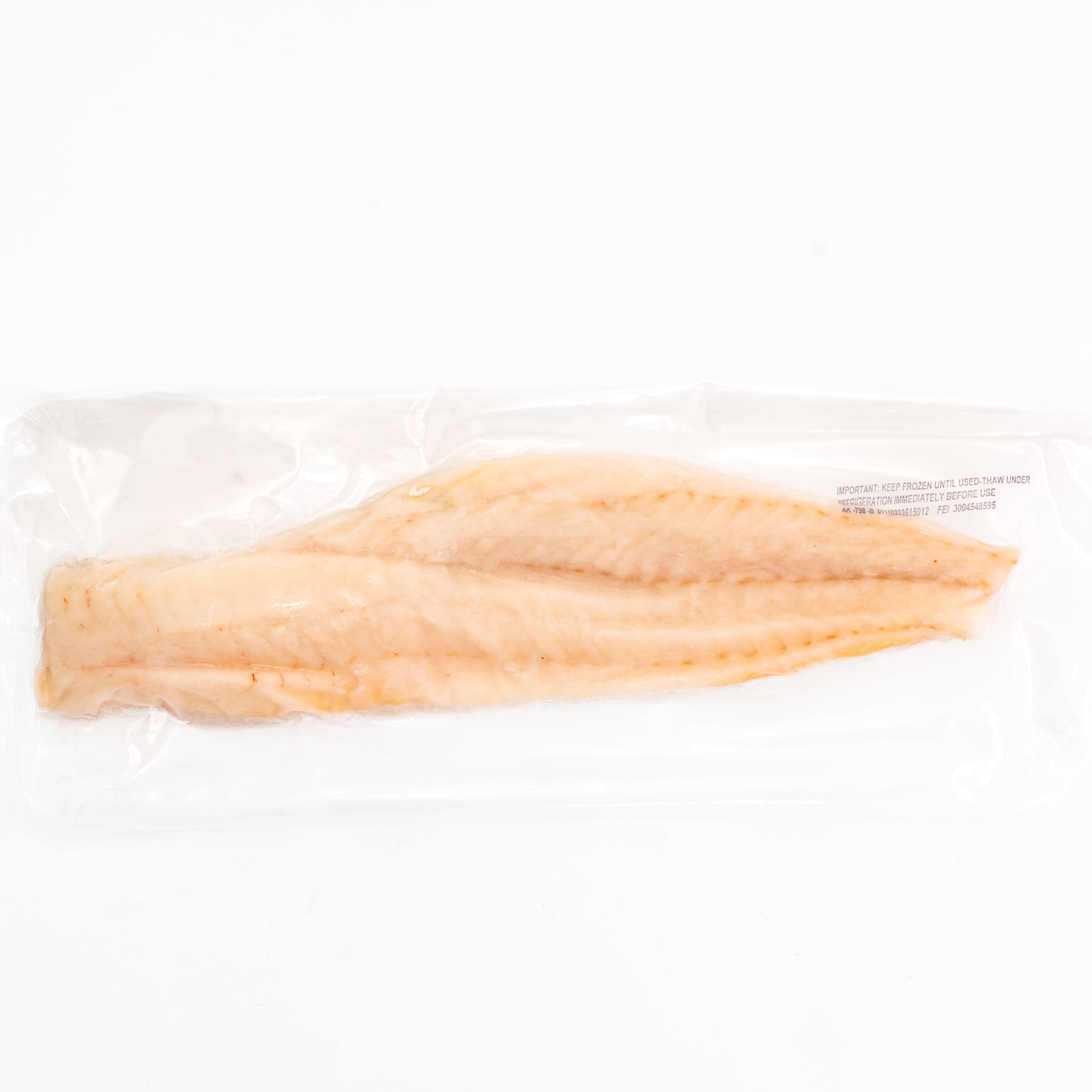
Full Fillet - Wild Alaskan Pacific Cod

Direct heat means the fish sits directly over the heat source. This is excellent for creating a seared exterior and works particularly well for salmon and halibut.
Indirect heat surrounds the fish with heat rather than placing it directly over the flame. This gentler method works well for thicker portions, delicate cod, cedar plank salmon, and pellet grills like a Traeger.
Sometimes the best method uses both. Start the fish over direct heat to create color, then move it to indirect heat to finish cooking gently.
Grilling wild Alaskan seafood is one of the simplest ways to enjoy it.
Start with high quality fish, keep your seasoning simple, control your heat, and resist the temptation to keep poking at it.
Whether you are cooking salmon over a traditional grill, slow roasting halibut on a Traeger, preparing cod on a Big Green Egg, or getting a beautiful sear on your Blackstone, wild Alaskan seafood can turn an ordinary backyard dinner into something worth gathering around.
At Alaska Fresh Seafood, we source premium wild caught seafood from Alaska and make it easy to enjoy at home.
Stock the freezer, fire up the grill, and let the fish do most of the work!

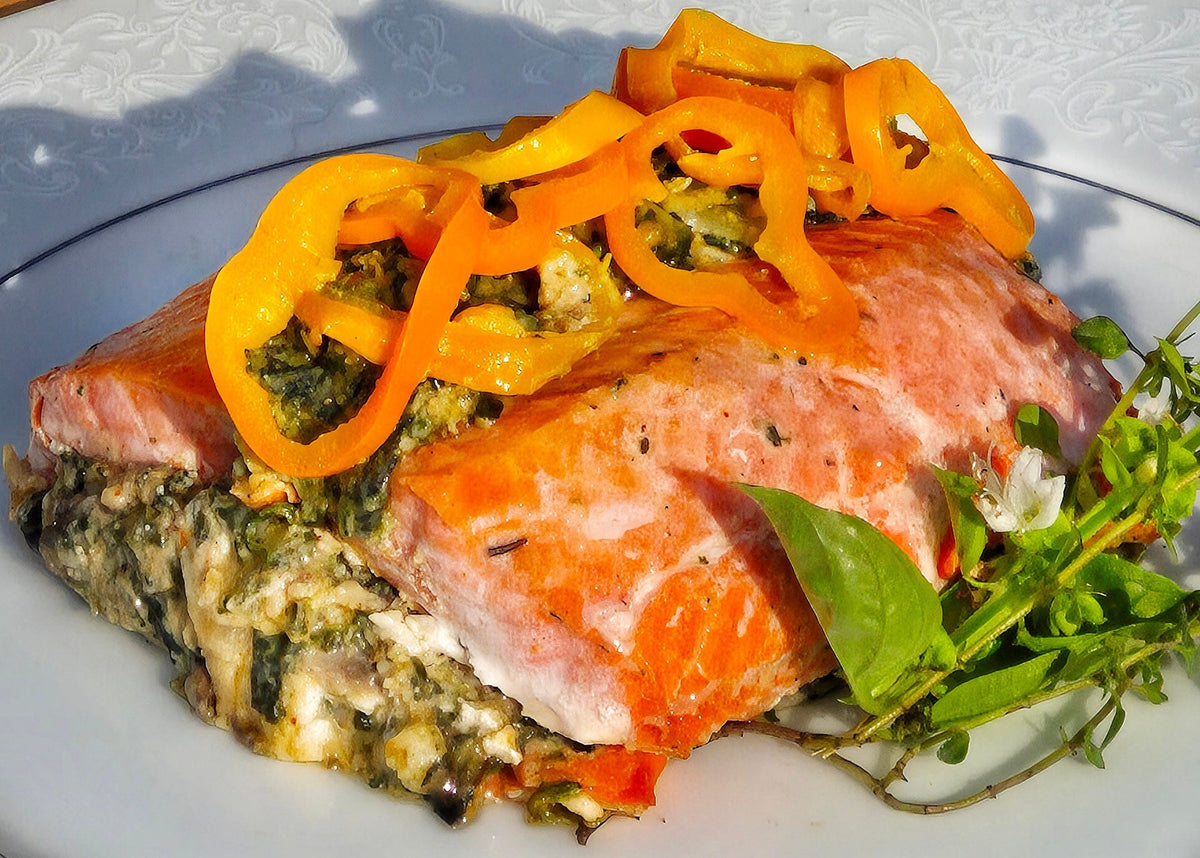
Stuffed Salmon with Garlic Herb Mushroom, Spinach & Boursin Filling and Sweet Peppers
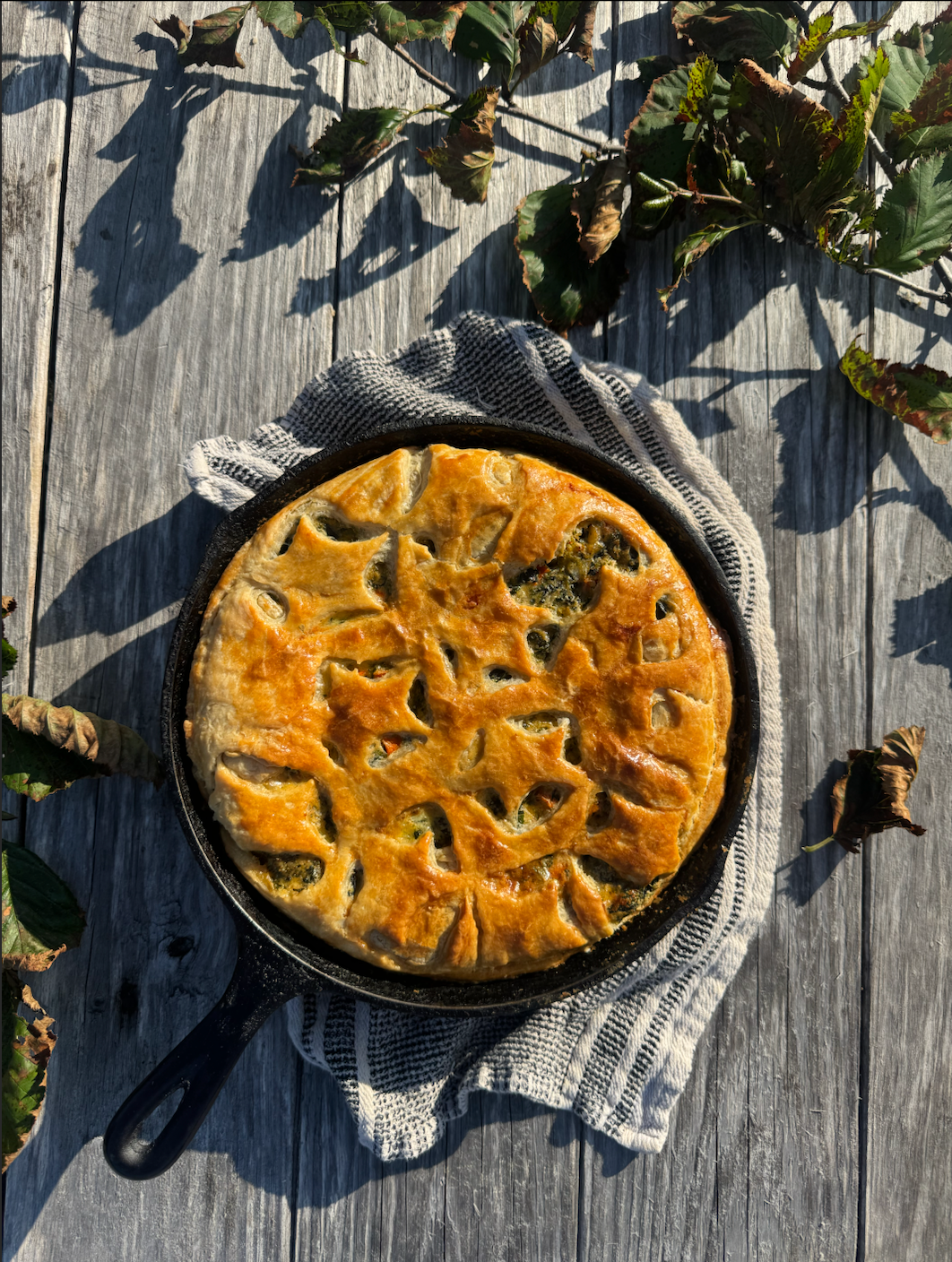
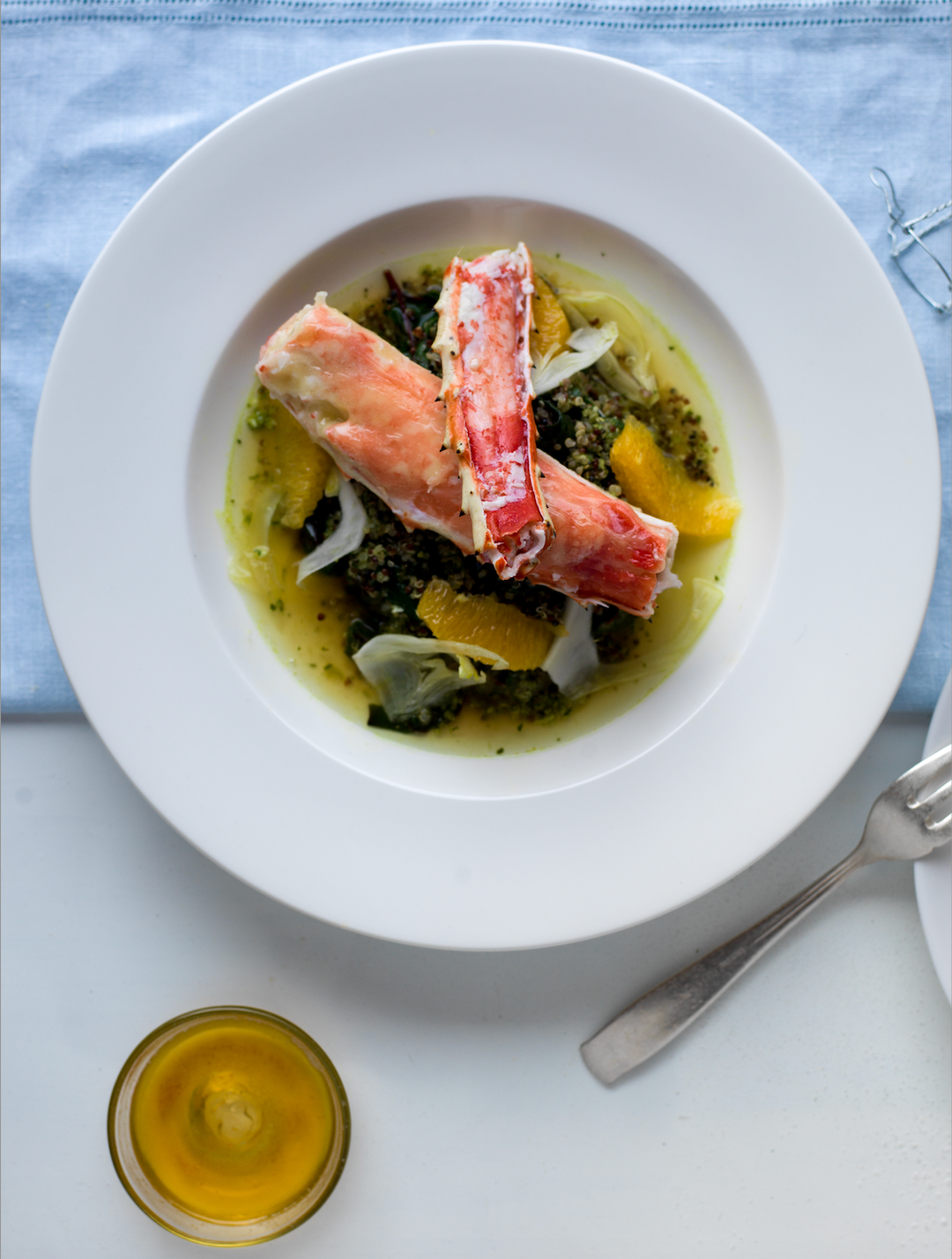
King Crab with Lemon Grass Broth